
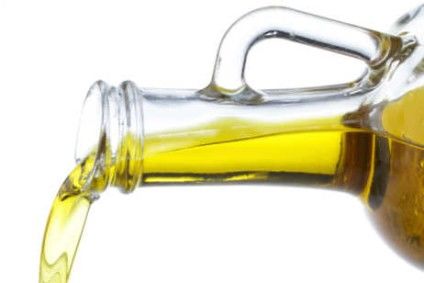
There was a spike in olive oil prices in stores in a number of western European markets last year on the back of a fall in supply, caused by factors that are still having an impact on production. Jacques Dupré, insight director for IRI in France and Anne Lefranc, the market research group’s European marketing director, analyse the data.
The price of olive oil bought by shoppers in supermarkets across western Europe increased by an average of almost 20% in 2015 but with significant differences between countries, according to IRI’s analysis of in-store sales data.
Go deeper with GlobalData

Discover B2B Marketing That Performs
Combine business intelligence and editorial excellence to reach engaged professionals across 36 leading media platforms.
The cause of the price hike was due to a supply shortage caused by a bacterial disease in Italy that is still affecting more than one million olive trees as well as the poor harvest in Spain, Europe’s biggest olive producing country, that started in 2014 and continues to impact production.
Manufacturers and retailers pushed up the price of olive oil to cover their increased costs. As a result, shoppers, who are still trying to balance budgets post-recession, spent an additional EUR231m on olive oil last year, which pushed up sales value for the category by 9.5% to EUR2.7bn.
In those countries where olive oil is one of the main shopping essentials – such as Spain, Greece and Italy – price increases can have a major impact on the shoppers’ basket, potentially affecting sales of other categories and distorting the price of total FMCG sales. For example, as prices continued to rise in 2015, accelerating during the final months of the year, shoppers started to buy less olive oil. Sales volumes declined in every country except Italy, where they remained relatively flat. The decline in sales volumes during 2015 was most evident in Greece, down 18%, and in Spain, which saw a 16.2% fall.
Demand is still evident, however, and there have been reports of thefts from some olive groves in Spain, while producers in Italy look to import olives from Spain and Greece.
The price increases were most severe in Spain, Italy and Greece where olive oil is a key cooking ingredient and one of the most purchased food items. Promotions on olive oil products all but stopped in these countries as prices increased. In Spain, prices jumped 27.2% in 2015 compared to the previous year. In Italy prices grew 21%. Shoppers in Greece saw olive oil prices increase 17.2%.
However, shoppers in these three countries have not really switched to other oils during this time. Our data shows a decrease for sales of other oils ( total sales by volume fell 2.5%) even though prices remained relatively stable (down by just 0.9%).
Nevertheless, although olive oil remains a staple product, consumers are looking at changing their cooking and eating habits by making do with less.
OLIVE OIL TRENDS IN WESTERN EUROPE FOR 2015

Source: IRI Infoscan
Private-label prices increases more severe
What is interesting about the price hikes is that they have been more severe for private-label olive oil, which is often the case when there is a strong increase in raw material prices. However, shoppers, still mindful of their budget, continue to opt for the less expensive own-label options.
In the seven western European markets we are measuring here, the increase in prices of private-label olive oil did not have too much of an effect on consumption. Data from the seven countries show private label saw its share of the category dip 0.5% in 2015. That said, there are strong contrasts between countries.
In Spain, for example, where there is already a strong private-label culture, there an increase in own-label prices similar to that on brands (28.6% and 26.6% respectively) and supermarket-branded olive oil saw their share of the category grow by 3.1 points in volume terms, as well as showing an increase in sales by value of 13.3% to EUR529m.
The UK saw private label grow its market share by volume by 5.3 points, the highest among the seven countries. That growth was due to the strong price increase of branded olive oil (up 6.1 points) as private-label prices decreased by 1.8 points. Price competition driven by the UK’s hard discounters are impacting private labels prices, which were being held up by reduced levels of promotion.
In France, branded prices fell. With the price war impacting mainly national brands, the price increase for olive oil impacted just private label which had a direct impact on the market share of own label by volume – down 7.2 points versus the previous year.
PRIVATE LABEL OLIVE OIL SALES IN WESTERN EUROPE FOR 2015

Source: IRI Infoscan
Olive oil has always been very dependent on weather conditions, but the bacteria attack in Italy might change the game for a while, particularly for those countries where olives are a staple purchase.
Olive oil manufacturers need to review their price, promotion and assortment strategy so that they are clear on what impact price rises will have on shoppers’ baskets not just today but in the future.


