
Pinnacle Foods, owner of Wishbone dressings, has been shopping and has picked out a firm that is going to bulk out its presence in the frozen food aisle and win it brownie points with a heap of consumers. Hannah Abdulla investigates.
Last week, just days after it posted a leap in third quarter earnings, Pinnacle announced it had acquired plant-based protein food maker, Garden Protein. The new brand will join its established health and wellness brand, Birds Eye.
Go deeper with GlobalData


Access deeper industry intelligence
Experience unmatched clarity with a single platform that combines unique data, AI, and human expertise.
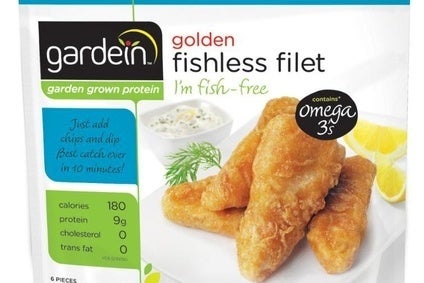
Vancouver-based Garden Protein is a respectable player in its own category, providing alternatives for animal-based formats such as chicken strips, fish fillets and so on under the Gardein brand. It was owned by founder Yves Potvin and private equity firm TSG Capital – though no information has been disclosed as to share sizes.
This year, Garden is expected to post sales of C$65m. The Value Investor says the impact from the deal is “limited”, adding around 2% in annual sales.
An acquisition on Pinnacle’s part was pretty predictable. Throwback to earlier this year when the firm was supposed to be bought by Hillshire Brands until Tyson Foods stepped in and scuppered the deal. Pinnacle got a tidy little payout in the form of US$163m as a breakup fee. Spending to grow its presence was always going to make sense. But why buy Garden Protein, particularly when it’s annual sales aren’t going to prove substantial to Pinnacle’s top line? And plant-protein is a pretty complex sector – can Pinnacle really make significant headway with it?
Protein per se is growing – both in size and popularity. Where traditionally it was the gym-goers and weight lifters looking to bulk up that were on the lookout for a quick protein fix, it’s now your average Joe – looking for a healthy and sustainable route to weight management. Mainstream food manufacturers have capitalised on this: Kraft launched the Oscar Mayer P3 Protein snack range; Maple Leaf rolled out the Protinis complete protein snack. But not many have turned to plant-protein, and product manufacture, globally, has predominantly been left to the experts – Quorn, Beyond Meat, and of course, Garden Protein.
Going on Frost and Sullivan’s predictions of the sector, it will see a global compound annual growth rate of 5% to 5.5% between 2012-2018. A significant amount of this worldwide growth looks set to come from developed markets such as North America. According to Mintel, supermarket sales of meat alternatives in the US reached US$553m in 2012, an 8% increase since 2010. In 2013, Mintel reported that while only 7% of consumers describe themselves as “vegetarian”, 36% indicated use of meat alternatives. Less than half of those are using the products in place of actual meat.
“Health perception plays a large role in use of meat alternatives. One third of consumers indicate using products in the category because they are healthy,” says Beth Bloom, food and drink analyst.
What is more is that many plant-derived proteins have been discovered to offer “similar or superior functional properties” says Frost & Sullivan – that is they can act as “complete proteins” – containing an adequate proportion of the nine essential amino acids necessary for the dietary needs of humans, something only typically offered by animal proteins. And they can do this at a lower price point.
An added ‘bonus’ – if you like – is Garden Protein’s environmental credentials. Consumers are becoming increasingly aware of their environmental footprint and how the choices they make impact the environment. Non-GMO claims are becoming more prevalent in the mainstream grocery arena with General Mills and Post Holdings among those with recent launches. Coupled with that – and again environment-related – is the perception that a meat-free or vegan diet has a lesser impact on climate change than an animal-protein fuelled diet. According to The Guardian citing a UN report, biomass and crops for animals “are as damaging as burning fossil fuels”. Many consumers are turning to meat-free options because of their sustainability benefits.
Pinnacle appears very much to be playing into the consumer’s hands; going in the direction it sees consumer trends moving and offering something to suit each consumer’s tastes or needs. In the freezer section, you could now opt for Birds Eye frozen fish fillets, or Gardein’s alternative fish fillets. Either way, Pinnacle wins.
“Strategically, its easy to see how Gardein products overlap with Birds Eye’s presence in the store (frozen) and complement the strategy Pinnacle has pursued with most of its brands – take them a little bit up market, with a little more value add,” concludes Athlos Research’s Jonathan Feeney.

