

It’s as much of a tradition as fireworks by the Thames or singing Auld Lang Syne: the launch of products targeting consumers looking to start the new year in a healthier way.
Last year, gut health was centre-stage and, in the opening days of 2026, the UK has seen a clutch of major retailers roll out products with an eye on the rising number of people using GLP-1 weight-loss drugs.
Go deeper with GlobalData


Discover B2B Marketing That Performs
Combine business intelligence and editorial excellence to reach engaged professionals across 36 leading media platforms.
Amid rising consumer interest in the medication, food manufacturers and retailers are weighing up how to offer different types of products as users’ appetites change.
We’ve already seen products launched in the US and it appears activity is picking up on the other side of the Atlantic.
Marks and Spencer, The Co-op and Iceland Foods have launched ready-meal ranges and underlined how the products could appeal to those on the medication.
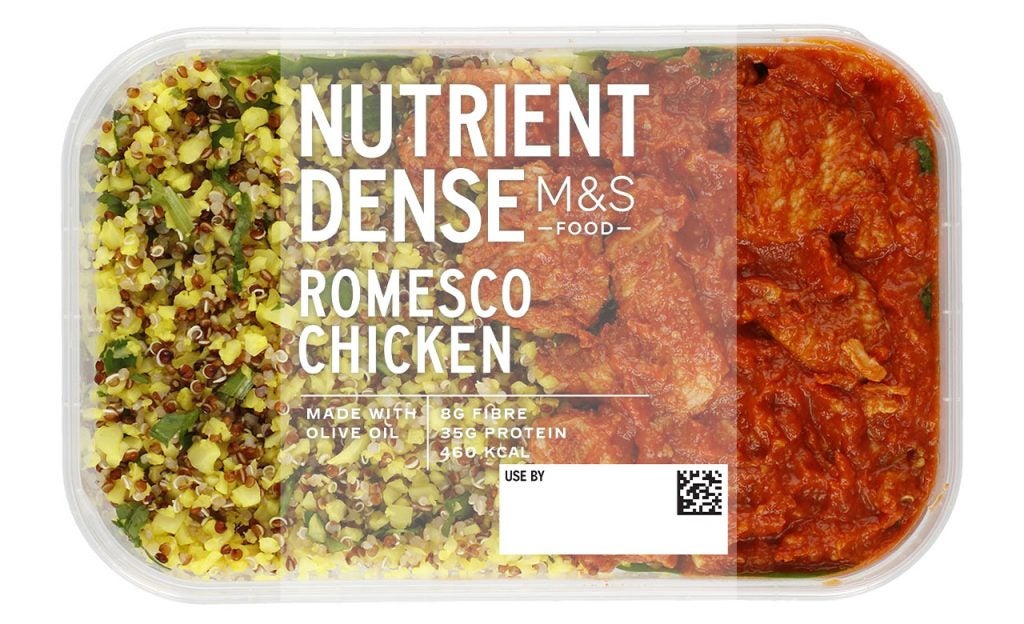
M&S has started selling a range of salads, snacks and meals under the Nutrient Dense label. The Co-op has launched a line of four “mini meals” the retailer described as “GLP-1 friendly”. And Iceland Foods has added products to its licensed MyProtein and Slimming World ranges that are aimed at GLP-1 users.
US Tariffs are shifting - will you react or anticipate?
Don’t let policy changes catch you off guard. Stay proactive with real-time data and expert analysis.
By GlobalDataBefore Christmas, another major UK grocer, Morrisons, announced the launch of a range of GLP-1 friendly ready meals under a licensing deal with sports nutrition group Applied Nutrition.
There are differences in how the retailers have positioned their new products. Pointing to the “fibre, vitamins and minerals” in its new Nutrient Dense range, M&S says the ready meals are “ideal for those eating less due to age, lifestyle or weight-loss medication”.
At The Co-op, the drugs were put front and centre in the retailer’s announcement. The “GLP-1 friendly ready-meal range” comprises four 250g “mini meals” (sold at a meaty price tag of £3.50/$4.70) have been “specially developed for shoppers with smaller appetites”, The Co-op said, pointing to IGD/Nielsen data that shows one in 30 in the UK is using a form of weight-loss medication.
Iceland Foods, meanwhile, were clear, describing its launch of 38 meals as “a deep-freeze push perfect for shoppers using appetite-suppressing injections such as Wegovy, Mounjaro, Saxenda and Nevolat”.
What’s common is the emphasis on protein and fibre. “With the increase in popularity of weight-loss injections, a reduced appetite can mean missing out on important nutrients and that’s why nutrient density is so important,” Grace Ricotti, head of food nutrition at M&S, says.
Among some industry watchers in the UK, the new products launched either side of Christmas have underlined how the increasing use of GLP-1 drugs will change what people will buy – and eat.
“With around 1.5m people in the UK now using GLP-1 medications (roughly 1 in 25 households), eating behaviour is shifting fast,” Jo Riddle, commercial director at UK consultancy North Star, posted on LinkedIn after Morrisons’ tie-up with Applied Nutrition was announced. “Smaller portions. Higher protein. More intentional choices. Less snacking for the sake of it.”
New year, same story?
It will be critical to assess the performance of these products and, based on sales, how the look of the ranges might change in the weeks and months ahead. Hamish Renton, the former Tesco own-label executive who runs his own consultancy, HRA Global, says usually new health-centric products launched in January tend to peter out and, although he believes the GLP-1 trend will remain, suggests the way retailers market the products may follow a similar path to previous ranges.
“I’m a believer in GLP-1. This is a trend that’s here to stay. I’m also a little bit sceptical because I know how the retailers work and what happens in January is you want to show that you captured the zeitgeist on behalf of your shopper,” Renton says. He suggests ultimately retailers may decide to use labels to signal to GLP-1 users which of their existing products might work for them.
“Part of these ranges will burn like a star, then they will fizzle and then they will shuffle off into the further reaches of grocery – and then I find the pack icons will definitely emerge. I think this gets to stick but it would also work as a front-of-pack icon. Re-labelling what you’ve already got is probably the easiest thing to do.”
The number of people on the medication may be on the rise but it is still very early days in parsing how the use of GLP-1 drugs will affect buying behaviour. “We don’t know, really, in terms of ranges, which of the products are going to hit the spot and which aren’t,” Renton says.
Nausea is said to be a common side-effect of those on some of the GLP-1 medication while bloating and constipation can also occur. That indicates smaller meals should appeal and, with users on reduced appetites, packing the products with nutrients like fibre and protein is key.
Renton argues there won’t have to be comprehensive work done on product development to meet the needs of GLP-1 users. “I don’t think we’re waiting for some technical breakthrough like with vegan cheese,” he says. “This is kind of curating a range and almost pointing people to things that probably exist, maybe tweaking the balance of the nutrients and the macros.
“It’s as much an information job as it is anything else because the retailers’ ranges are wide enough anyway. They might need to delete some SKUs and put some new ones in but you haven’t got PhDs working in the lab to crack this one. It’s an EPD [existing product development] gig, not a genuine new product development gig.”
The opportunity for brands
So far, at least in the UK, the new product activity has come from retailers (and their private-label manufacturing partners). Aside from the tie-up Applied Nutrition has with Morrisons (of which the ‘GLP-1 friendly’ products were only a part), there have, so far, been fewer moves from brands.
Food manufacturers are scrutinising how the uptake of the drugs might affect the sales of their existing product ranges (and the data out so far suggests the impact varies across the store – and not only negatively) but they will also be weighing up how they could launch products to tap into the trend.
We’ve seen some moves by brands in the US, with even industry giants like Nestlé and Danone prepared to dip their toes in the water.
Speaking to Just Food in November, Brian O’Leary, the CEO of Ireland-based DMC Foods, indicated the company behind the FitFoods ready-meal brand was preparing to act.
“We have a project in place and we’ll have something coming out in that respect early in 2026. You can’t stand still,” O’Leary said.
“It’s very early, so no-one really knows what the solution is to this. Our view is it’s smaller portion sizes. We’ve looked at it like a product for kids. I have four boys under 11. They all eat Fit Foods but they’ll never eat a full, 400g portion. We’re looking at a smaller portion in a different retail format and we’ll be putting that out there for kids and for older people.”
Some market analysts are clear there will be an opening for brands to also exploit. “GLP-1 users represent a durable growth opportunity for brands,” Mark Jephcott, associate consumer analyst at GlobalData, Just Food’s parent, says. “Innovation should focus on satiety-led products in smaller portion sizes, with optimised protein and fibre to help manage appetite, alongside indulgent flavours and satisfying textures that drive repeat purchases.
“Brands should prioritise early-stage GLP-1 users – who are often more open to dietary change – through clear communication of health benefits, clean-label credentials, and sustainable sourcing practices, which will also resonate with broader health-conscious consumers interested in sustaining weight loss over the long term.”



