

Californian legislators have passed a bill that would require food manufacturers and retailers to adopt a so-called non-ultra-processed seal of certification.
Assembly maker Jesse Gabriel has described the legislation as the first of its kind in the US as the Trump administration seeks to come up with a definition to clearly define ultra-processed foods and drinks as part of his government’s Make America Healthy Again (MAHA) campaign.
Food manufacturers would be able to place the seal on packages, which according to Gabriel, “would provide consumers with a simple, trustworthy way to identify healthier options with a quick glance”.
At the same time, grocery retailers in California would be required to display the seal on front of packs for relevant non-UPF products, with certain conditions attached in terms of store size.
“While Washington DC is paralyised by inaction, Republicans and Democrats in California are joining forces to empower consumers to avoid harmful ultra-processed foods,” Gabriel said in a statement after the AB2244 bill was passed.
“Parents shouldn't need a PhD in chemistry to understand what they’re feeding their kids. California began this movement three years ago by banning the most dangerous food additives, and this week’s vote is the next big step toward protecting our kids from harmful ultra-processed foods.”
AB2244 goes further than existing legislation on UPFs because once put into law by the target date of “no later than” 1 June 2029, accredited agencies would be appointed to govern and monitor the non-UPF seal.
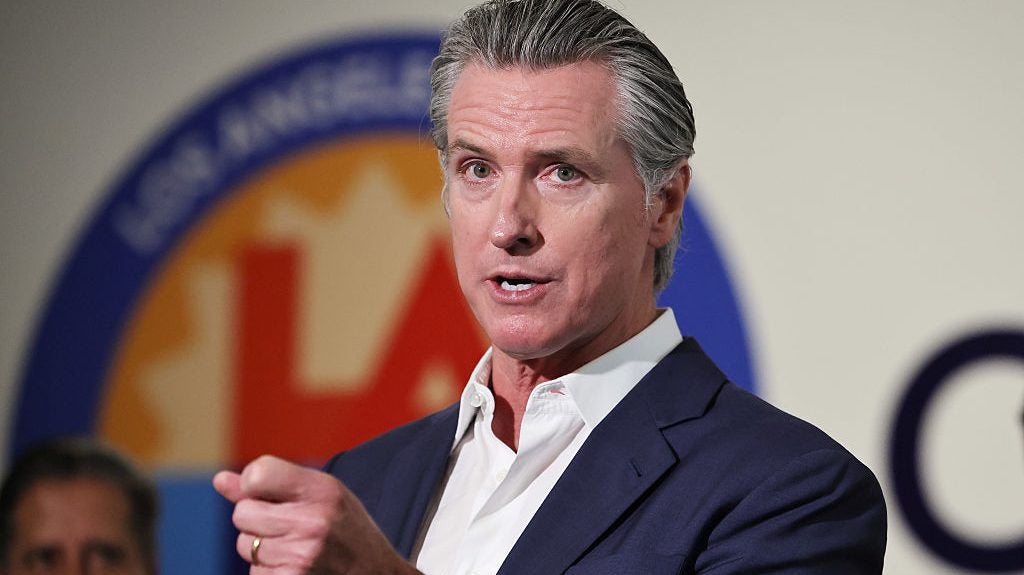
California Governor Gavin Newsom will now have to rule by 30 September whether to veto the bill or pass it into law.
Research has linked UPFs with harmful conditions such as cancer, cardiovascular disease and Type 2 diabetes.
There is a growing body of evidence to suggest UPFs have a negative impact on health but the evidence is inconclusive as to just how detrimental these food products are.
Meanwhile, consumers are often left confused by what is regarded as minimally or highly processed. Gabriel suggested “confusing labels and marketing practices” are often the cause.
Bernadette Del Chiaro, the senior vice president for California at the non-profit Environmental Working Group, said in a separate statement: “Consumers deserve labels they can trust. And families deserve a simple way to tell which foods are closer to what comes from a kitchen rather than a factory.”
“If enacted, the bill would establish a state-verified seal for foods free from the additives, emulsifiers, food dyes and flavours that have come to define the modern American diet.”
Accredited agencies would be prohibited from passing the seal if food and drinks were not in compliance with the non-UPFs classifications and records would be made available for inspection to ensure compliance.
Under the bill, a Public Health Food and Nutrition Education Fund would be established to support the application of the non-ultra-processed certified labels.