

Canada has launched a food security programme for the first time backed by more than C$3bn (US$2.1bn) of investment over ten years.
Key parameters and objectives include boosting local food production to reduce Canada’s reliance on imports, fostering greater competition in the grocery sector and cutting red tape in the agriculture supply chain.
The National Food Security Strategy will also invest in fruit and vegetables production, including through controlled environment agriculture, or vertical farming, where crops can be grown year-round.
“While Canada is one of the largest exporters of agri-food products in the world, Canadians continue to face some of the highest grocery costs in the G7,” a government statement read.
“There is not enough competition between grocery retailers, we are not harnessing enough technology in our agri-food sectors, and our food chains rely too heavily on foreign suppliers.”
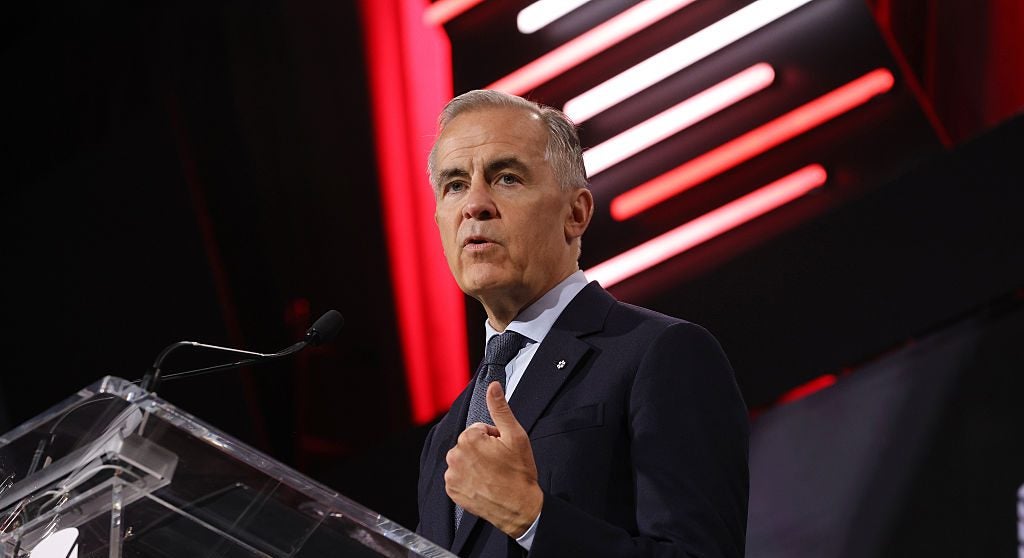
Prime Minister Mark Carney added: “Canada is one of the world's great food producers. But too much of what we grow is processed elsewhere, and too many Canadians still rely on imported food at higher prices.
“Canada's first-ever National Food Security Strategy will help grow and process more food here and put more Canada on Canadian plates - lowering costs, creating jobs, and building a food system that is more resilient, more competitive, and more our own.”
As part of the food production plan, C$1bn will be funnelled into a new Agri-food Project Finance Fund to be managed by Farm Credit Canada (FCC) to disperse financing to businesses.
A Food Security Fund will also be established with initial capital of C$150m to “help small and medium-sized businesses upgrade their equipment to grow, produce, and process more food in Canada”.
It will be accompanied by a C$100m Collaborative Food Innovation Fund to help foster expansion in agri-food processing.
In the fresh produce segment, C$750m will be allocated to expand year-round cultivation of fruit and vegetables through greenhouses and vertical farms, together with unspecific tax reliefs.
Red tape in agriculture will be cut with a plan to update regulations and speed up regulatory processes, along with easing cross-state barriers, whereby a “Canadian product made in one province or territory can more easily reach a shelf in another”.
Heath MacDonald, Canada’s minister for agriculture and agri-food, said: “Through this made-in-Canada approach, we will process more of what our farmers grow here at home, creating jobs, driving economic growth, and strengthening Canada's food self-sufficiency.
“By reducing red tape and helping innovative businesses get projects off the ground faster, we will unlock new opportunities for farmers, food processors, and entrepreneurs across the agri-food sector.”
The National Food Security Strategy will also aim to combat “anti-competitive business practices” in the grocery sector. With that aim in mind, the Competition Bureau and Competition Tribunal will be provided with around C$130m in government funds to boost its investigative and prevention powers.
In addition, C$1bn will be invested in grocery “infrastructure”. The objective, the government said, is to help “independent grocers buy and move competitively priced products without relying on large retail chains”.
In an accompanying document, the government said that due to consolidation since 1986, Canada’s grocery sector is dominated by five “major” players - Loblaws, Metro, Empire (Sobeys), Walmart, and Costco - making it difficult for smaller enterprises to compete.
The government did not specify how it might plan to ease that domination, a similar characteristic that applies to food processing. It said “four to eight companies frequently compose nearly 90%” of Canada’s packaged food product sales. And two unnamed businesses in beef processing “control approximately 85% to 90%” of that sector.
“Transformational investments” are also planned for Canada's food manufacturing industry to encourage more local production. Calls for proposals will go out this month to food-sector players followed by a second wave later this year.