

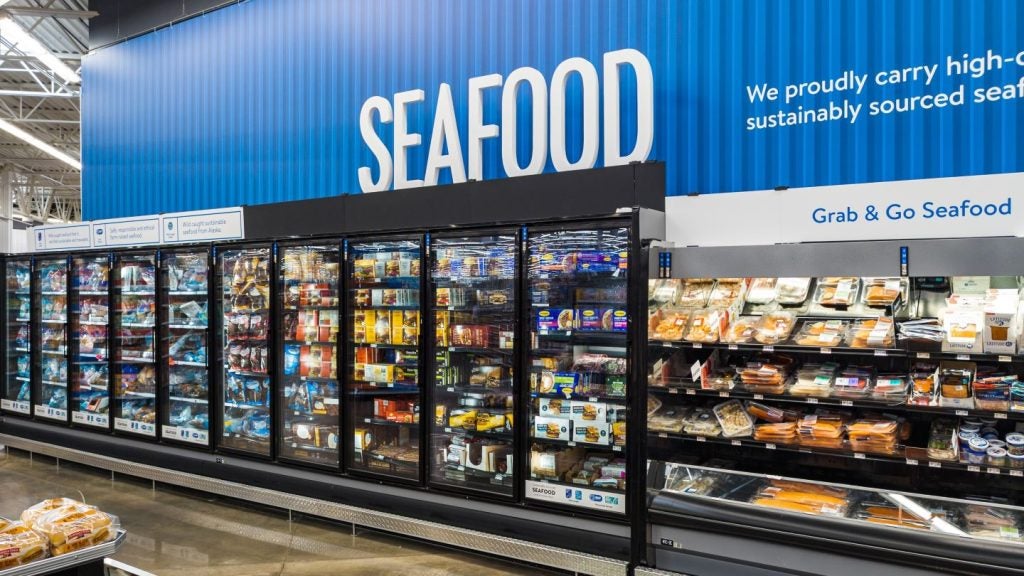
Canada has removed seafood and fish products from its planned retaliatory tariffs on US goods.
In a post on X yesterday (27 August), Canada’s Department of Finance said the government had acted “to protect Canadian interests against unjustified US tariffs” and was continuing to assess the effectiveness of its response with affected industries.
“Based on feedback, we have made select adjustments to protect against broader economic harms, including removing seafood and fish products from our list of counter tariffs, while maintaining dollar for dollar and rate for rate response to US products,” the department said.
The change is a revision of the measures announced on 25 August, when Ottawa said seafood items including Pacific salmon, Atlantic salmon, swordfish, trout, tuna and sardines would face 25% tariffs from 8 September.
The wider package covers C$27.6bn ($19.91bn) of US imports, with duties set at 15%, 25% and 50% to mirror US tariff rates.
Canada had originally targeted sectors it said were most affected by the US move, including steel, dairy, appliances, agricultural equipment, pulp and paper, electronics and some food products. Dairy lines remain on the list.
The US tariffs on Canada came into effect over last weekend after trade talks failed to produce a final agreement.
The Maine Lobstermen’s Association welcomed the change.
A 25% tariff on American lobster “would have severely disrupted one of Maine lobster’s most important markets at the height of our fall fishing season”, the group said.
Patrice McCarron, Maine Lobstermen’s Association executive director, said: “Keeping seafood tariff-free protects our shared supply chain and avoids unnecessary economic harm on both sides of the border.”