The UK’s food and drinks producers are set to benefit from the removal of £580m ($779m) worth of import tariffs in a trade deal struck with the GCC.
Cheese, chocolates, biscuits and smoked salmon were singled out as key beneficiaries by the UK government from the agreement with the six-member Gulf Cooperation Council.
Total trade with the GCC – Bahrain, Kuwait, Oman, Qatar, Saudi Arabia and the UAE – was cited in government statements as valued at £53bn, according to estimates from the Office for National Statistics.
The deal could add a further £15.5bn in trade between the UK and the GCC, with an annual benefit to the British economy of £3.7bn once the agreement is fully implemented, the UK government says.
Tariff barriers worth £360m will immediately be removed on UK exports to the GCC once the trade deal comes into force, then rising to an estimated £580m.
Cheddar cheese, which faces import duties to the GCC of 6%, will enjoy tariff-free status upon ratification, as will the 15% and 10% levies on chocolate and biscuits, respectively.
Scottish smoked salmon will also see its 5% tax removed.
The Food and Drink Federation (FDF) welcomed the agreement as an “exciting opportunity” for its members, particularly at a time of trade uncertainty amid the conflict in the Middle East.
Karen Betts, the CEO of the UK’s leading trade organisation for food and beverages, said: “Prior to the war in Iran, our exports to the region were worth over £800m a year and growing at twice the rate of EU exports, reflecting the high demand in GCC countries for high quality, delicious and trusted British brands.
“While we expect trade to continue to be disrupted in the short term, the removal of tariffs from day one on iconic British products like oats, breakfast cereals and biscuits will help food manufacturers build export momentum in the years ahead.”
On goods shipped from the Gulf, the UK government said it “will be liberalising tariffs on all current GCC exports to the UK from day one under this agreement, supporting supply chains and helping UK businesses to reduce input costs”, but added the deal excludes pork, chicken and eggs “from tariff liberalisation”.
The National Farmers' Union (NFU) suggested that while some meat products do not form part of the deal, lamb does, but otherwise welcomed the government's "commitment not to undermine the UK’s high animal welfare standards".
It said in a statement that "there is strong demand in GCC countries for lamb, dairy products and oats, and the removal of 5% tariffs on these products from the UK will help boost exports and build farm business resilience at home".
NFU president Tom Bradshaw added: “The trade deals agreed in recent years have been a mixed bag to say the least, with limited benefit for UK farm businesses. But I’m really pleased the government has listened to our concerns and ensured we can take advantage of the strong demand in the GCC for things like lamb, cheese and oats - securing greater access for high‑quality British goods while safeguarding our pork, chicken and egg sectors.
“The main area of jeopardy in this deal was around animal welfare standards, which in GCC countries often fall below our own. It will be a relief to farmers and the public that the government has held firm on its promise to safeguard Britain’s high food production standards.”
Prime Minister Sir Keir Starmer said: “The Gulf states are valued economic partners and this agreement deepens that relationship, building trust and unlocking new possibilities for trade and investment.
“The deal is estimated to add £3.7bn to the UK economy every year in the long run when compared to 2040 projections and £1.9 billion in real wages, delivering for businesses and working people.”
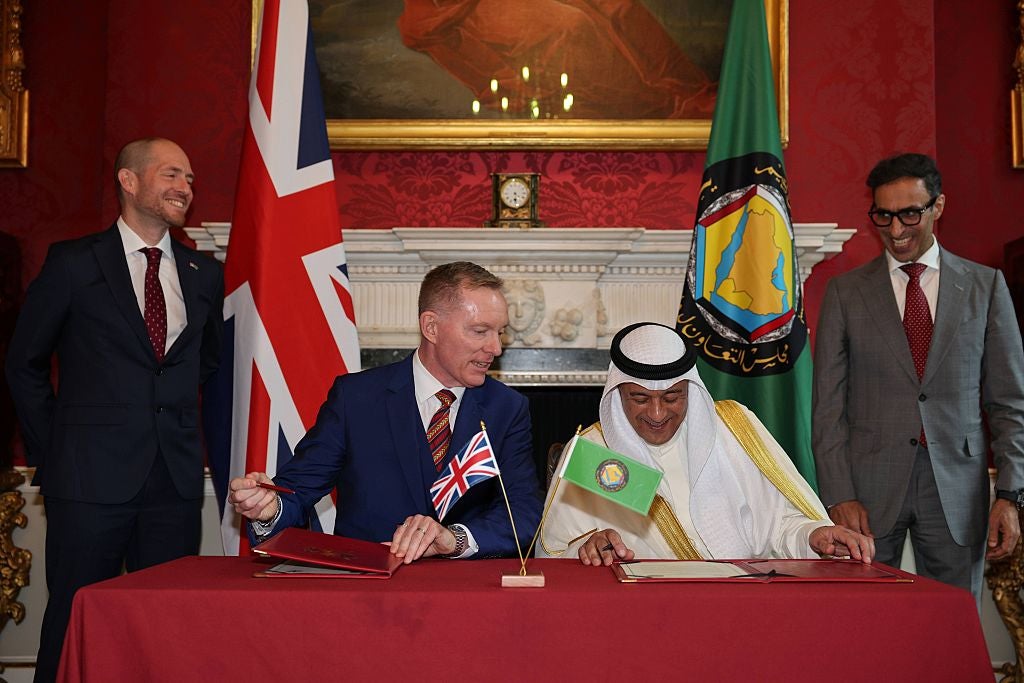
The UK claims to be the first G7 country to sign a free-trade deal with the Gulf, an agreement inked yesterday (20 May) between UK trade policy minister Sir Chris Bryant and Jasem Mohamed Albudaiwi, the secretary general of the GCC.
“Many sectors including the food and drink sector are set to benefit from the deal once it enters into force,” the government statement read. “UK exports of cereals, cheddar cheese, chocolate and butter are just a few of the goods expected to become tariff-free, supporting British industry to grow.”
UK Chancellor Rachel Reeves, who is expected to outline import tariff-relief measures in the House of Commons today (21 May) on a range of goods including food, said the deal with the GCC is “good for jobs, good for industry and ultimately good for consumers, opening up a world of economic opportunity with a strategically important region”.
Like the FDF, trade body Salmon Scotland also called out the welcome relief from the latest agreement amid the disruption in the region, noting the GCC imported £6.5m worth of its products last year.
Its CEO Tavish Scott said: “Stability and international support at a time of international volatility is important for solidarity with our trading partners as well as for our exporters and customers.
“Removing tariffs and improving market access across the trading bloc will increase the opportunities for our producers to grow Scottish salmon exports to the region.”