

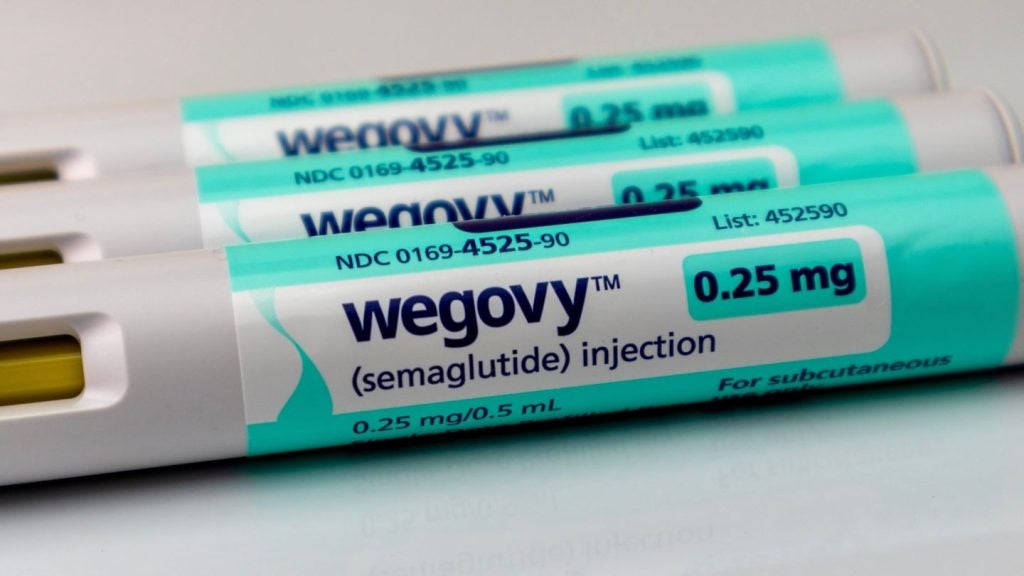
The proportion of UK adults on GLP-1 weight-loss drugs stood at 6% in March, almost double the level of nine months earlier, research shows.
Polling by UK grocery analysts at the IGD suggested just over 3% of the country’s adult population were using the medications in June last year.
The researchers said the growing availability of the drugs and “increased social proof” of the effects of the medication were behind the rise.
“While awareness of GLP-1s has become mainstream, usage remains fairly exclusive – for now. Barriers to use are declining and the upcoming availability of oral formats will remove a major barrier in administering injections, which deters 39% of UK adults,” IGD shopper insights manager Caroline Young said.
The IGD said the results were based on the monthly polling of more than 2,000 “nationally representative” UK shoppers.
According to the researchers, “more affluent mid-life women are the main group driving GLP-1 usage” in the UK. Those aged 18 to 24 and 65-plus are using the medication the least.
With more consumers turning to the drugs to manage their weight, its impact on purchasing behaviour is being closely watched by the food and beverage sectors. Some industry watchers believe the rising use of GLP-1 medication will have a “structural” impact on the market.
The IGD asked users questions about their eating and drinking habits. The researchers said the drugs are “actively reshaping” how food tastes.
Nearly six in ten users say their preference for fatty foods decreases, with almost half remarking the same about sweet foods.
However, more than quarter show an increased preference for sweet or creamy foods, the researchers said.
Highlighting the challenge for product developers, almost third of respondents said they enjoy spicy foods more but just under a quarter enjoy them less.
Meanwhile, four in ten users say they visit restaurants less often and three in ten state they drink less alcohol.
Young added: “The challenge and opportunity for brands and retailers is understanding and adjusting to user motivations before the speed and scale of adoption impacts consumption and behaviours further.”
As the food and drinks industry monitors how GLP-1 drugs affect purchasing and eating habits, research has been published that indicates some users revert back to previous consumption patterns.
A US paper by Cornell University, for example, shows households ending their GLP-1 intake “revert to their pre-adoption grocery spending and shift toward slightly less healthy grocery baskets compared to their original baseline”. The researchers said spending on confectionery and chocolates rose by 6.7% “relative to pre-adoption levels in the medium run”.