


It’s now inevitably a case of when rather than if food prices will rise in the shops despite a two-week ceasefire in Iran, an agreement which at best is extremely fragile ahead of a round of talks in Pakistan to iron out the details.
The biggest shock to the food-supply chain is oil and gas, prices of which are unlikely to return to pre-war levels given the investment needed to repair infrastructure. Farmers are already being hit by higher red diesel prices, while they face the double whammy from the rising costs of fertiliser, where the Middle East is estimated to export around 40% of the global requirement.
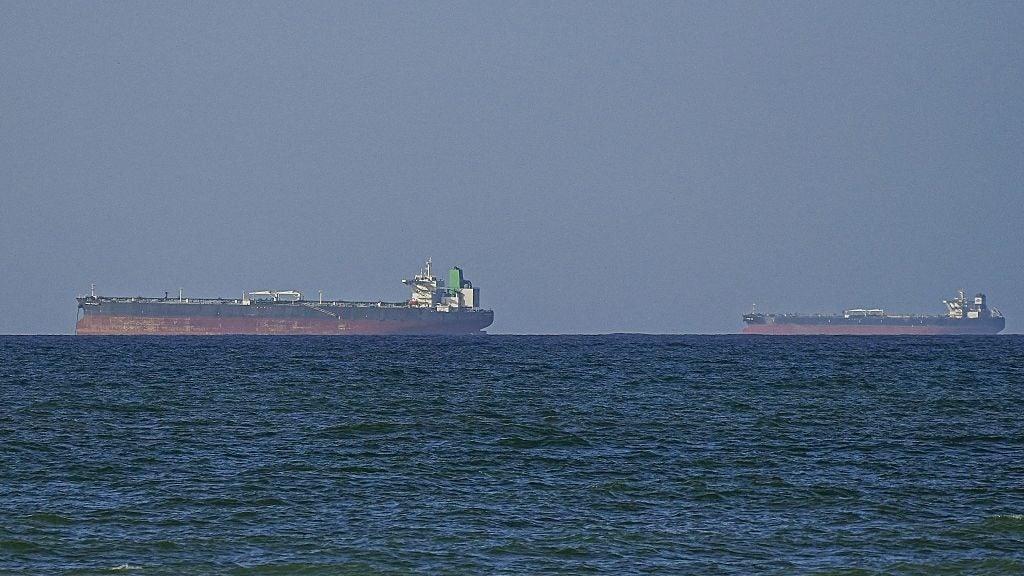
Getting those commodities out of the region through the Strait of Hormuz remains a critical touch point, especially with the ceasefire under threat as Iran accuses Israel of violating the agreement with continued attacks on Lebanon.
Strait of Hormuz
Freight intelligence provider Xeneta outlined the complications in a report late yesterday (8 April), noting the US-Iran ceasefire will not immediately restore shipping volumes with the likely prospect being shipping rates remain elevated.
Its chief analyst Peter Sand writes: “The ceasefire should come with a dose of reality because there is unlikely to be a rapid return to normality for container shipping in the Middle East. Strait of Hormuz transits are likely to increase but how this transition is managed is yet to be seen because two weeks is a very short window of opportunity and there is no guarantee the ceasefire will hold.
"The conflict has displaced 250,000 TEU of weekly container shipping capacity and carriers have put a lot of effort and expense into establishing alternative routings to allow goods to flow into the region. You do not suddenly toss that out of the window because there is a two-week ceasefire."
For food and drinks, some would argue the damage from the conflict has already been inflicted, with the higher costs factored in. The immediate question now is around the longevity of the peace deal because if it doesn’t hold then the implications for food could well be more pronounced than they already are.
Food inflation inevitable
For the energy-intensive food and drinks industry, the inflation risks are clearly evident. Concerns now revolve around whether price increases to the consumer, which currently look inevitable, will extend into next year. And for manufacturers, whether they are facing a repeat cycle of price-induced pressure on volumes.
Cyrille Filott, the global strategist for consumer foods, packaging and logistics at Netherlands-based Rabobank, says a new inflation wave will see consumers once again trading down from brands into private label.
“As always, it takes time for prices to move up through the entire value chain. Your Christmas dinner will likely be significantly more expensive than it was last year but also this inflation will linger on into 2027 because there's this knock-on effect, including wages,” he suggests.
“It may not be as spiky as it was during Ukraine. Who knows, because we're not done. But we might just see higher food inflation for quite a period.”
IMF price-shock warning
A warning was issued yesterday by global aid and support organisations over the vulnerability of low-income and import-dependent countries to the energy shock and the impact on food.
“Sharp increases in oil, gas, and fertiliser prices, together with transport bottlenecks, will inevitably lead to rising food prices and food insecurity,” the leaders of the International Monetary Fund, the World Bank Group and the World Food Programme said in a joint report.
“Spikes in fuel prices and potential sharp increases in food prices are especially concerning where fiscal space is constrained and debt burdens are already high, reducing governments’ ability to protect vulnerable households.”
Stefano Di Napoli, the founder and director at consultancy Consumer Products Growth Strategy, also points to the precariousness of the peace agreement, which if it folds could have longer-term consequences for European food manufacturers, retailers and the consumer.
“A more prolonged period of elevated energy prices is likely to push food price inflation in Europe higher, making groceries more expensive toward the end of the year,” he says.
“These cost increases will cascade across the entire value chain - from production and packaging to transport and agriculture - forcing manufacturers to ask retailers for price increases, while retailers push back to avoid passing these costs onto consumers.
“While consumers may continue to trade down, their ability to save further is limited, increasing the risk that additional food inflation will ultimately lead to overall declines in retail volumes and foodservice demand.”
Retailer resistance
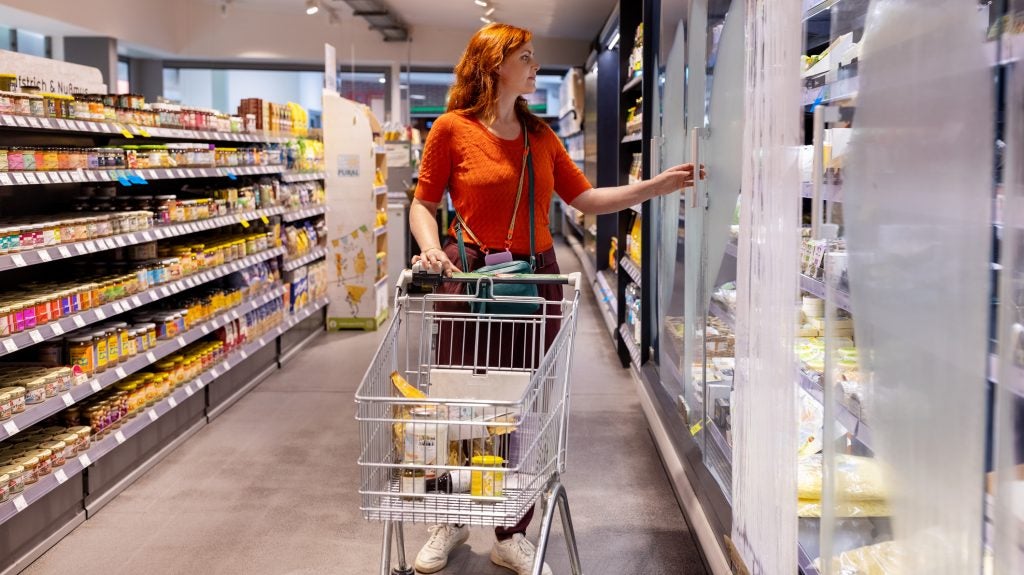
Consumers have already been stretched from the last round of inflation-linked price increases connected with the war in Ukraine and the extended impact on the food-supply chain from Covid-19. Further cost pressures could see a new war waged between retailers seeking to protect market share and food manufacturers looking to preserve volumes.
“It will be fairly easy for food manufacturers to explain why they're increasing prices because they can point to energy prices in general. What we are hearing is that the retailer will push back, much more than before,” Rabobank’s Filott says.
“What I'm not sure about is loss of volumes because that would imply that consumers are going to eat less. I don't think that pricing itself will lead to lower volumes, I much more expect downtrading to happen.”
Dutch bank ING has already raised its overall inflation forecast for the Netherlands this year to 3% from 2.2% at the start of 2026. Thijs Geijer, its senior economist for food and agriculture, says that’s unlikely to change unless the roadblocks around the Middle East are eliminated.
“If shipping resumes, and all these things, then we might reduce our inflation forecast but that doesn't seem very likely at the moment,” he says, adding: “Given the amount of uncertainty there is, it's very difficult to say whether there will be a similar inflation wave like we had over the past years.
“There's clearly one big difference following the war in Ukraine - Ukraine itself is a very large agricultural commodities exporter. But it's clear, for example, LNG gas, where there will be a long-term disruption to supply, won't ramp up as quickly as everyone is anticipating.”
Fertiliser “dilemma”
Geijer highlights the volatility in commodity prices from the conflict, notably in fertiliser and sugar, a key ingredient in confectionery, biscuits and other food products, for instance.
In fertiliser, farmers face a “dilemma” on whether they buy now at higher prices or wait, dependent on the crop maturity, he says, pointing to the difficulties in predicting potential price increase for individual products.
“This is a very gradual process given that you easily have 15,000 products on shelves, which all have their own price mechanisms - it's very difficult to isolate.
“The pass through would generally be quicker for fresh produce. Energy costs are different for different types of manufacturers. For example, they are higher for potato processors, they're relatively higher for bakeries, so there might be a bit more pressure on those companies.”
Crucial Pakistan talks
Much rests on the negotiations in Pakistan over Iran’s ten-point proposals to bring a permanent end to the war. Even there, there is uncertainty as to whether the talks will be held tomorrow (10 April) or at the weekend. The White House said Vice President JD Vance will attend.
Iran’s bid to control the Strait of Hormuz and/or impose what is effectively a passage tax on ships could well be contentious and how that might pose a pass-through effect on the cost of goods.
"Carriers will be aware they risk ships becoming trapped in the Gulf once again if there is a sudden deterioration in the security situation,” Destine Ozuygur, a senior analyst at Xeneta, wrote in yesterday’s report.
"There are huge operational question marks over a return to the Strait of Hormuz if it effectively turns into an Iranian tollbooth. How much will it cost? How will transits and payments be managed and will this delay carriers returning services to the region? Could some ships be denied transit even if they are willing to pay? This kind of uncertainty is not good for supply chains.”
Di Napoli at Consumer Products Growth Strategy says the longer the Strait “remains constrained, the more severe the cost pressures will become”.
He adds: “The risk is that the impact on food could be greater than expected, especially as damage has already been done with attacks on petrochemical infrastructure.
“This is already feeding through into higher energy and fuel costs, making further inflationary pressure increasingly inevitable. On top of this, fertiliser prices are rising sharply - reportedly up around 50% - and given that the region supplies roughly 40% of global fertiliser, any disruption has a significant impact on agricultural input costs.”