
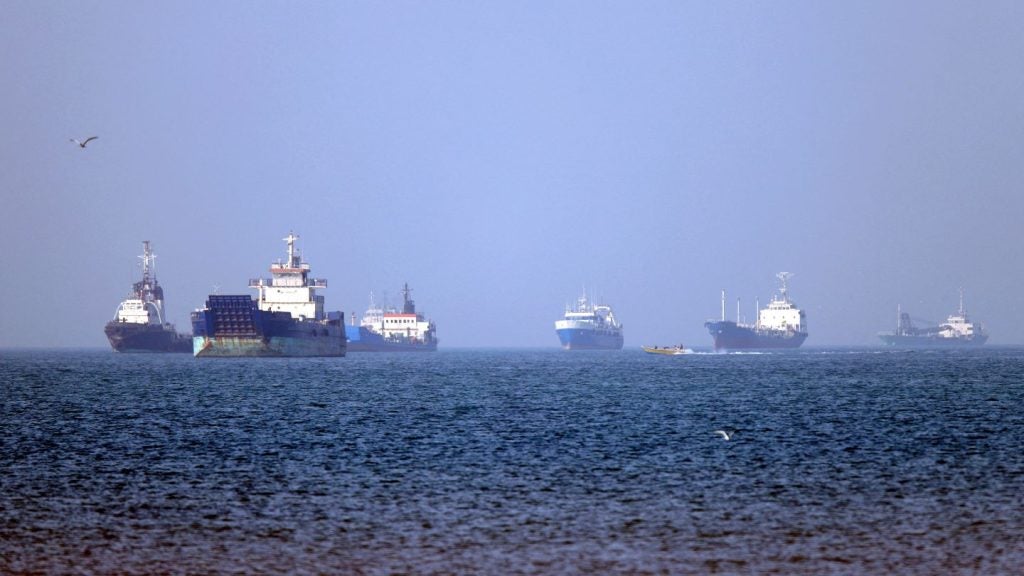
Fertiliser shortages arising from the disruption in the Strait of Hormuz shipping corridor will result in lower harvests and food supply over the next two years, the head of the FAO has warned.
Speaking at the Ministerial Meeting of the MED9++ Countries this week, FAO Director General Qu Dongyu said the scarcity of fertiliser will lead to lower crop yields and put a squeeze on food supplies towards the back half of this year and into 2027.
“We meet at a moment of profound strain,” Qu said. “This is not only a geopolitical crisis, but also a disruption at the core of the global agri-food system.”
Shipping disruptions through the Strait of Hormuz, he said, were constricting fertiliser markets and boosting the price of energy, which in turn could have a potentially serious impact on the price of food and agriculture production.
Qu added fertilisers need to be applied at specific periods in the crop cycle. "If they do not arrive on time, yields are reduced, regardless of what happens later," he said.
Delaying application, even if just for a few weeks, means farmers have to reduce their use of fertiliser or stop using them completely. The impacts being seen currently would also carried through to future harvests, and would curtail food supply later this year and in 2027, Qu said.
Countries expected to be exposed are those reliant on exports, like Africa, Asia and parts of the Middle East, and "especially those already facing acute food insecurity, economic fragility or climate-related shocks," the FAO said.
However, Qu stressed no country is protected from the problem.
Food commodity prices rose again in April
Meanwhile, according to figures released today (8 May), the FAO Food Price Index averaged 130.7 points in April, an increase of 1.6% on the level in March, marking a third consecutive monthly increase.
Price indices for vegetable oils, meat and cereals, which are tracked by the index, all increased "to varying degrees", though the increases were offset by dips in sugar and dairy products, the FAO said.
Vegetable oil's price index reached an average of 193.9 points last month, a 5.9% increase on the measure in March and the highest level seen since July 2022.
The FAO's index for meat prices reached a record high in April, averaging at 129.4 points, a 1.2% rise on March, and a 6.4% increase on the level last year. The rise "reflected higher prices across all meat categories" besides quotations for ovine meat, the UN agency said.
At the MED9++ Countries meeting, Qu said in the short-term it was important to facilitate alternative trade routes to keep supply chains running, avoid export restrictions, among other recommendations.
He also highlighted a requirement in the long-run "for structural transformation" to allow a for less dependence on concentrated supply routes and fossil fuel-based inputs.
In April, the agency warned prolonged disruption in the Strait of Hormuz could lead to a global agri-food crisis unless vessels carrying farm inputs could quickly resume transit.
The FAO then said 20-45% of exports of key agri-food inputs depend on shipping through the Strait of Hormuz corridor.