A cross-party group of MPs has called for “bold” action the UK government to tackle an “obesity epidemic” in England, just days before the country is set to see a new Prime Minister take office.
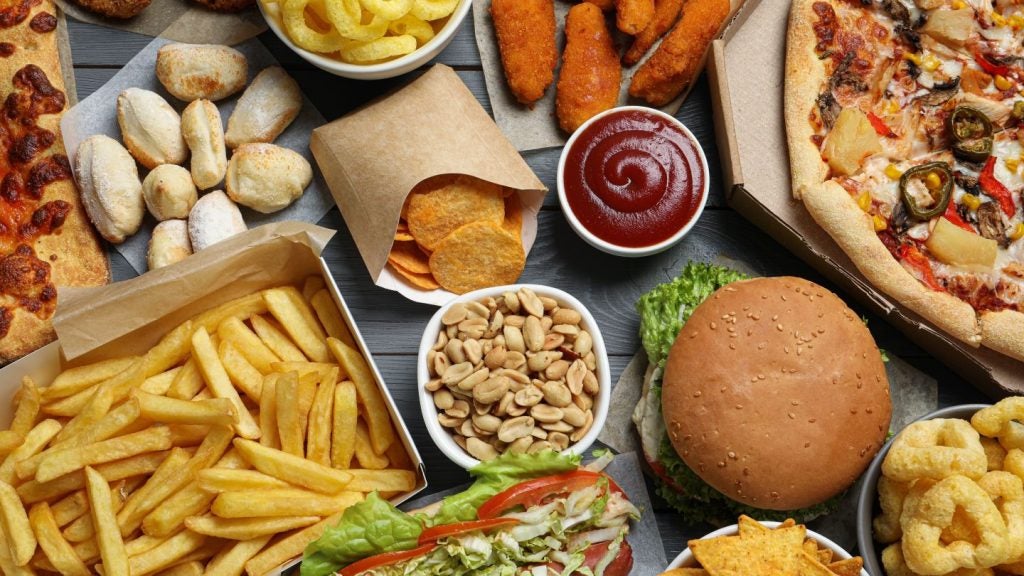
In a report published today (15 July), the House of Commons Health and Social Care Committee said UK government ministers should move faster on policies intended to “fix a food environment that pushes consumers towards high fat, sugar and salt products”.
The committee said obesity costs the UK £74.3bn ($99.67bn) a year and it urged “the Government to be more courageous in the face of industry lobbying against restrictions, which has meant that attempts to tackle obesity through food policy have continually failed”.
The MPs recommended extending the scope of the HFSS ad ban introduced in January, including brand advertising, and called for a ban on outdoor HFSS advertising by July next year.
They also said the government should update promotion and placement rules by January to require fruit and vegetables in prominent in-store positions and on “special offers” pages online.
The committee further urged ministers to launch mandatory reporting on healthy food sales by supermarkets “as soon as possible”, with targets set within 12 months and penalties overseen by the Food Standards Agency.
It also backed mandatory front-of-pack nutrition labelling by January 2028, favouring the traffic-light format.
In a statement, a spokesperson for the UK's Department of Health and Social Care said: “This Government has committed to raising the healthiest generation of children ever. Obesity and poor diets rob children of the best start in life, setting them up for a lifetime of health problems and costing the NHS billions.
“That’s why we have committed to a moonshot to end obesity. As part of this, we have already taken significant action by restricting junk food advertising to children on TV and online, banning volume price promotions on less healthy products and increasing support for low-income families through our Healthy Start Scheme. We welcome the Committee's report and will respond fully in due course.”
The report also calls for stronger planning rules to restrict fast-food outlets near schools and for improvements to the NHS Healthy Start card scheme, including extending eligibility until children start school and reviewing payment levels annually. As health policy is devolved, the committee’s recommendations apply to England.
Committee chair Layla Moran said the Government must “be bold, not to fudge and delay food restrictions”, adding the “real cost is measured in how many people suffer preventable diseases linked to being overweight or malnourished”.
MP Andy Burnham is set to take office as UK Prime Minister on 20 July, replacing Sir Keir Starmer, who has led the country for two years.
The committee report follows criticism of recent policy changes.
Innovation agency Nesta said in March the HFSS advertising rules risked becoming a “paper tiger”, estimating they could affect just 1% of ad spend as companies shift budgets into channels outside the rules, such as outdoor and owned media.
Last year, NGOs criticised the UK government’s decision to allow brand advertising before the watershed if no specific HFSS product is shown.
Katharine Jenner, executive director of the Obesity Health Alliance, said the committee's recommendations reflected “bold, joined-up action” long sought by campaigners.
She added: “The Government already has many of these policies on the table – mandatory health reporting and targets for large food businesses, stronger restrictions on the advertising and promotion of less healthy food and an updated Nutrient Profiling Model. Yet too often, measures designed to protect children’s health have been delayed or diluted after sustained pressure from industry.”
In January, the UK government published plans to change the country’s nutrient profiling model, which classifies the health credentials of food and drinks sold in the country.
Kate Halliwell, chief scientific officer of industry trade body The Food and Drink Federation, said manufacturers remained committed to working with government and backed mandatory reporting of healthier food sales.
However, she rejected the committee’s proposal to exclude manufacturers from health policy discussions, saying government “needs advice from the people who make food to understand if new policies are workable in practice”.
Halliwell also said the new advertising and promotion restrictions had “only just come into force” and should be assessed before further changes are imposed.
Support for mandatory healthy sales reporting is not limited to campaign groups.
In June, Premier Foods said it had become the first major branded manufacturer to voluntarily disclose metrics aligned with the government’s proposed reporting framework. Tesco has also urged ministers to make the reporting of healthier food sales mandatory across major food businesses.