
Nestlé is set to build an infant-formula factory in Brazil, a country the Swiss giant has called "a strategic market" for that part of its business.
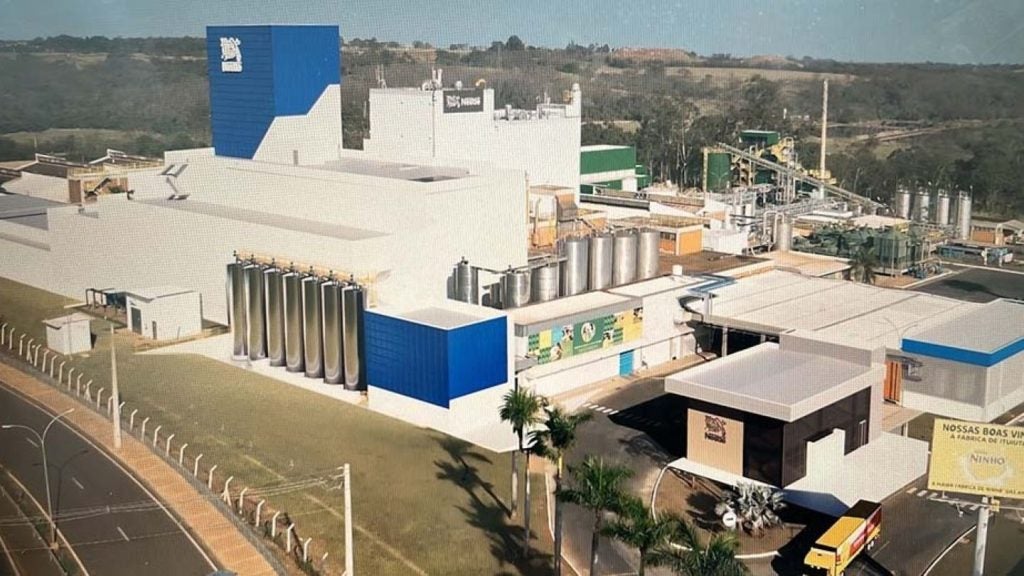
The company said it would spend around SFr94m ($116.3m) on the new facility, which is to be located in Ituiutaba in Minas Gerais state.
Jeff Hamilton, the CEO of Nestlé's business in the Americas, said: "Brazil is a strategic market for this business and this investment will expand local production capabilities while increasing access to high-quality, science-based nutrition products."
The plant will supply Brazil and undisclosed export markets, creating about 100 jobs, Nestlé said. It is scheduled to begin operations in the second quarter of 2028.
Nestlé, which sells Nan and Lactogen-branded infant formula, said the site will be its second infant-nutrition factory in Brazil.
A wider investment plan will see the company spend SFr310m and includes upgrades to a factory further south in Araçatuba factory in São Paulo state. Nestlé describes that site as its “main hub” in the country for infant, medical, and adult nutrition products.
To support rising demand for infant nutrition, the group said whey production in Brazil is set to increase by 15% by 2029.
According to GlobalData, the parent company of Just Food, overall baby-milk sales in Brazil totalled 2.53bn reais ($490m) in 2025.
GlobalData forecasts baby-milk sales in Brazil are to reach 2.9bn reais by 2029, growing at a CAGR of 3.6%.
Nestlé had an 80.9% share of the baby milk category last year, figures from the data and analytics group show.
The food giant's local manufacturing footprint includes 18 operating factories and 12 distribution centres.
Nestlé's infant-formula business has faced regulatory scrutiny this year.
In February, Brazil's health regulator Anvisa ordered a recall of ten batches of Nestlé's Alfamino formula over iodine and selenium levels it said exceeded permitted limits.
Nestlé disputed the findings, saying the issue stemmed from a unit-conversion error and that the product complied with regulations.
Excessive amounts of selenium can cause nausea, vomiting and diarrhoea. Those same symptoms from an overdose of selenium have been cited for the cereulide toxin, which was at the centre of an infant-formula recall first sparked in Europe by Nestlé in December.
The withdrawal then went global in January, with the likes of French dairy giants Lactalis and Danone joining the recall.