

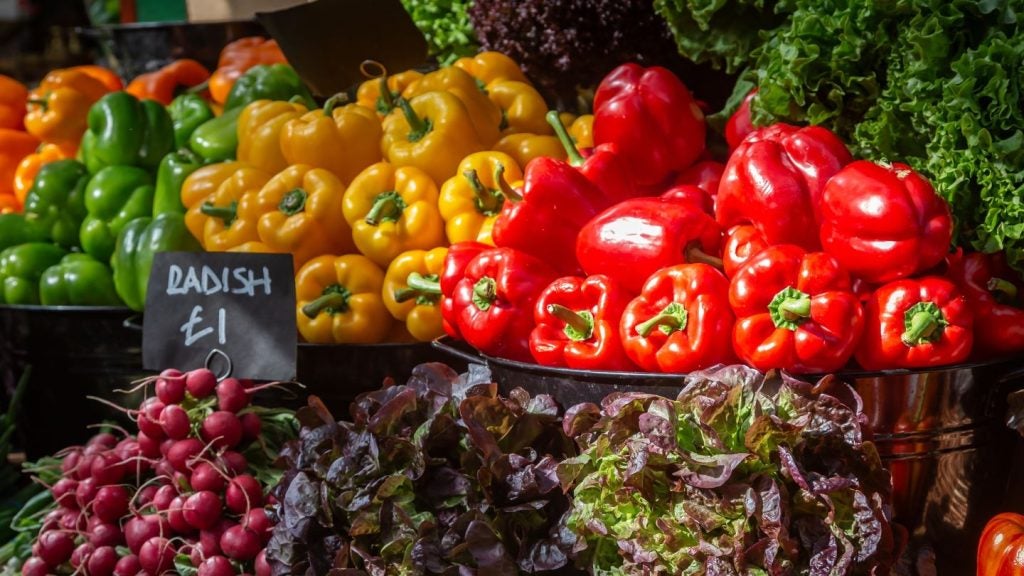
Replacing half of the UK’s imported fruit and vegetables with homegrown produce would add £1.9bn ($2.57bn) to farmgate coffers, according to Green Alliance.
The think tank said producing more fresh produce locally would raise the UK's food self-sufficiency to 66%.
Domestic fruit and vegetable production has fallen 16% since 2015, while dependence on imports has left the "country’s food supply highly exposed to extreme weather and other disruptive events overseas", Green Alliance said in a report.
The UK currently imports 44% of its vegetables and 86% of its fruit, it added.
Green Alliance said expanding horticultural production by less than 50,000 hectares would allow the UK to grow half of the produce it currently imports that is suited to the domestic climate.
That would return overall food self-sufficiency to levels last seen in 2000, it said.
“Horticulture is a major opportunity to drive economic growth and build resilience in the UK food system,” the report added.
It said the sector already contributes more than £5bn to the UK economy while using less than 1% of agricultural land.
Indoor growing would account for much of the projected gain.
Green Alliance estimated that 68% of the additional farmgate value would come from indoor production, including glasshouses, which can supply produce year-round and are less exposed to volatile weather and supply chains.
The report said glasshouses can produce 10 to 20 times more food per unit of land than open-field farming, while using up to 90% less water.
The group also said stronger supply chains could make UK-grown pulses a larger commercial opportunity.
Production of peas, beans and lentils for human consumption could be worth more than £500m to British growers, while also reducing reliance on imported fossil fuel-based fertiliser because pulses fix nitrogen in the soil, the think tank explained.
Green Alliance called on the government to use its forthcoming horticulture sector growth plan to support both supply and demand.
Its recommendations include a national spatial strategy for horticulture, lower and more stable energy costs, government-backed loans for supply chain infrastructure, support for healthy food access in low-income communities, and mandatory reporting and sales targets for large retailers to reduce HFSS sales.
The report also pointed to uncertainty over labour availability and planning permission as barriers to investment in the sector.
A similar concern was raised this week by Arla Foods, which said the UK’s long-running skills shortage in food and farming is becoming a risk to “food resilience”.
Publishing its seventh annual survey of British farmers on 12 August, Arla said 82.4% of respondents with vacancies reported that “very few or no applicants for the role have the right skills”.