

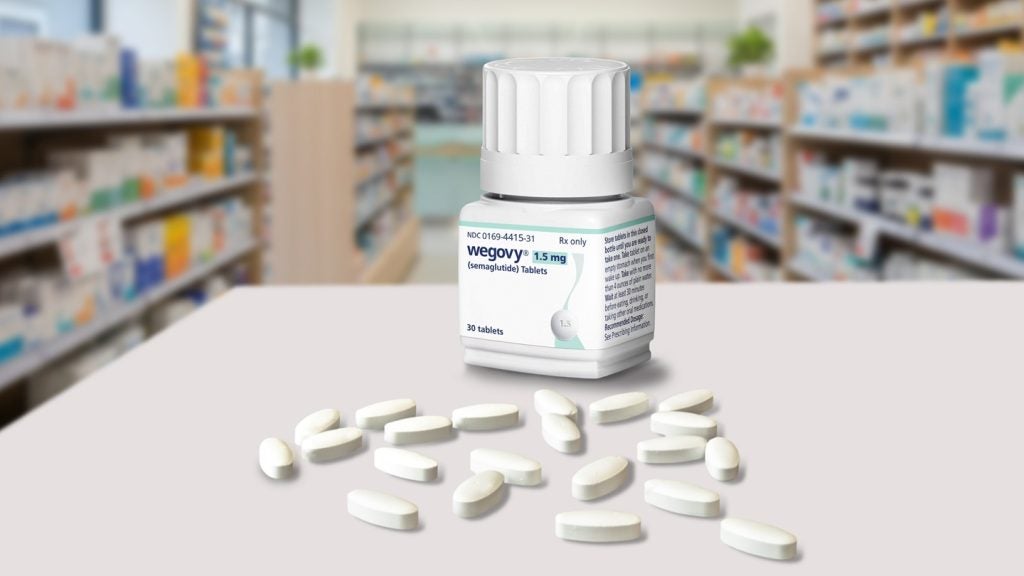
The UK has become the first market in Europe to approve the use of Novo Nordisk's Wegovy GLP-1 drug in pill form.
The pill variant of the weight-loss drug landed on US shelves in January after securing the green light from the country's Food and Drug Administration the previous month.
The authorisation by the UK's Medicines and Healthcare products Regulatory Agency makes the country the third to license the medication after the US and the UAE.
New research published this week suggested the number of households in the UK with a user of GLP-1 drugs has almost tripled in two years.
According to survey data from Worldpanel by Numerator, there are 1.9 million adults in the country on the medication.
The researchers said those households cut their grocery spending by £780m ($1.04bn) in the first year after the drugs were used.
One in ten of those surveyed said they no longer enjoy their usual food and drink favourites.
The findings also revealed buying less treats. Households with a GLP-1 user cut their spending on chocolate by 18 percentage points more compared to non-users. Additionally, 75% of users said they eat less chocolate and 72% eat fewer crisps.
Chantel Kennaugh, the head of public sector and nutrition at Worldpanel by Numerator said: “These drugs are fundamentally disrupting how people engage with food and drink, with ripple effects already being felt across grocery and lifestyle, forcing brands and businesses to adapt at pace.”
The semaglutide pills will be available via private prescription “within weeks” in the UK, Novo Nordisk said.
The Danish pharmaceutical giant said the pills offer a daily oral alternative to the weekly injectable format for adults who are obese or overweight and have at least one weight-related medical condition.
Emil Kongshøj Larsen, the executive vice president of international operations at Novo Nordisk, said: “Today, around 15 million people in the UK are living with obesity, yet only a small proportion of them have access to treatment, and we hope this approval supports increasing access to obesity care in the UK.”