
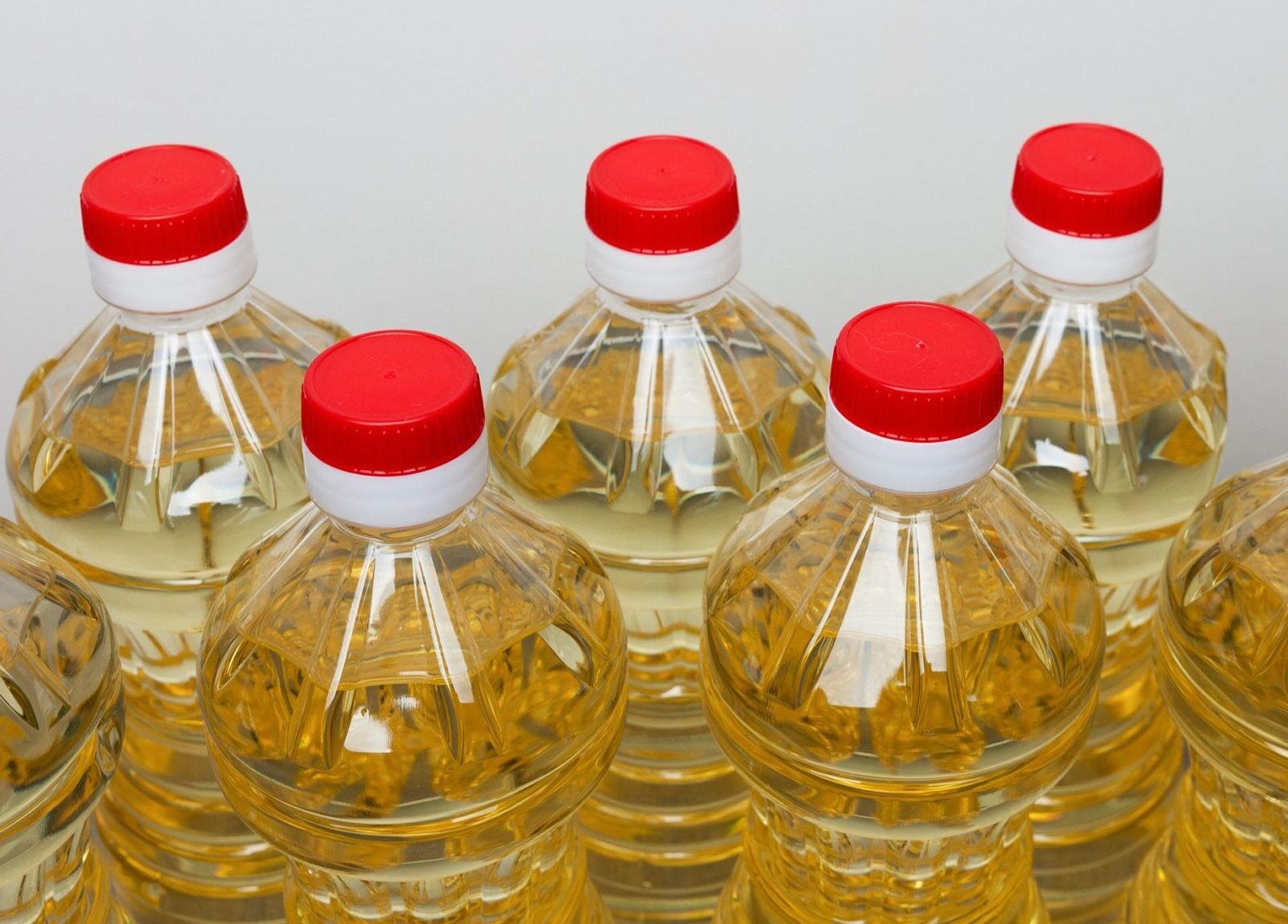
France has announced changes to rules food manufacturers must follow on recipe labelling as the Ukraine war puts pressure on sunflower oil supplies.
Food companies selling in France that alter the make-up of products will have six months to fully reflect any changes.
Go deeper with GlobalData


Discover B2B Marketing That Performs
Combine business intelligence and editorial excellence to reach engaged professionals across 36 leading media platforms.
However, they must give consumers a basic indication of any recipe change within two months.
And, for consumers concerned about food allergies, manufacturers will have to immediately affix a sticker on the product or make a marking near the list of ingredients.
Information on products that have had recipe changes will be available on the website of the DGCCRF, France’s consumer protection agency.
Ukraine is the world’s largest exporter of sunflower oil. Russia lies second on the list.

US Tariffs are shifting - will you react or anticipate?
Don’t let policy changes catch you off guard. Stay proactive with real-time data and expert analysis.
By GlobalDataFood manufacturers across the world have started to make changes to recipes as the war hits the trade in sunflower oil and pushes up prices from other sources.
French consumer watchdog UFC-Que Choisir said the at least two months of leeway given to manufacturers in the absence of a health risk meant information in stores would be “too general” and would “not allow the customer to identify the modified products when shopping”.
As in other countries in Europe, there have been gaps on shelves that usually stock sunflower oil.
Michel-Édouard Leclerc, the head of French grocer E. Leclerc, told broadcaster BFM TV today (27 April) there had been pressure on stocks due to restaurant owners buying up products in stores. “There is no shortage but there are shortages,” he was reported as saying.
In the UK, Tesco this week joined Morrisons and Waitrose in limiting the purchases of cooking oil to two a person.
Earlier this week, Indonesia announced curbs on its exports of palm oil. The restrictions are due to start tomorrow and no end date has been given. Indonesia is the world’s largest producer of palm oil.
This month, the United Nations Food and Agriculture Organization reported world commodity prices reached new record heights in March, with cooking oils from sunflower to palm, soy and rapeseed all rising.
The FAO said palm, soy and rapeseed oil prices were buoyed by rising global import demand in the wake of the disruption to sunflower oil supplies. World palm oil prices were also pushed upwards by “lingering supply tightness in major producing countries”.



