

From kits that let shoppers take the credit for a restaurant-quality dinner to pantries stocked for uncertain times, 2027 will see consumers ask more of every grocery purchase.
Four trends stand out: the rise of the 80% consumer chef; a hunger for flavours with a heightened specificity; an upgraded prepper kitchen, and creative comfort food. These trends point to shoppers who are cost-conscious but curious, and who expect even the humblest jar, tin or box to deliver more.
1. The 80% consumer chef
In 2027, consumers will want restaurant results without restaurant bills or a weeknight lost to the stove. Eating out will be more unaffordable for many, so the “fakeaway” will become a weekly habit. Further, social media will continue to raise the bar for how dinner should look.
Yet people will still want the satisfaction of having cooked and personal effort will raise perceived value. Here, brands will respond with kits and boosters that handle the hard 80% of a dish and leave the final 20%, and the credit, to the home cook.
We are already seeing product launches of this ilk that point towards a more efficient and rewarding cooking experience. In Brazil, sauce and condiment maker Tell Alimentos has launched Ready-to-Finish Risotto Mixes. The kits use locally sourced Pérola rice with the seasoning already prepared, so consumers simply finish the dish with water, stock, or white wine.
In India, Pune-based food company Tasty Bite Eatables has launched Asian noodle kits under its Cheffin' brand, in Pad Thai, Miso Ramen, Spicy Kimchi and Khow Suey varieties. Each kit swaps the dried noodle cake and powdered seasoning of conventional instant noodles for ready-cooked noodles, a liquid sauce or broth, vegetables, and a separate crunchy topping.
New Delhi-based challenger brand Oli Ohh! applies the same component logic to instant pasta. Each 192g pouch holds durum wheat semolina penne, a sachet of thick arrabbiata sauce made with real tomatoes, and a separate spice mix.
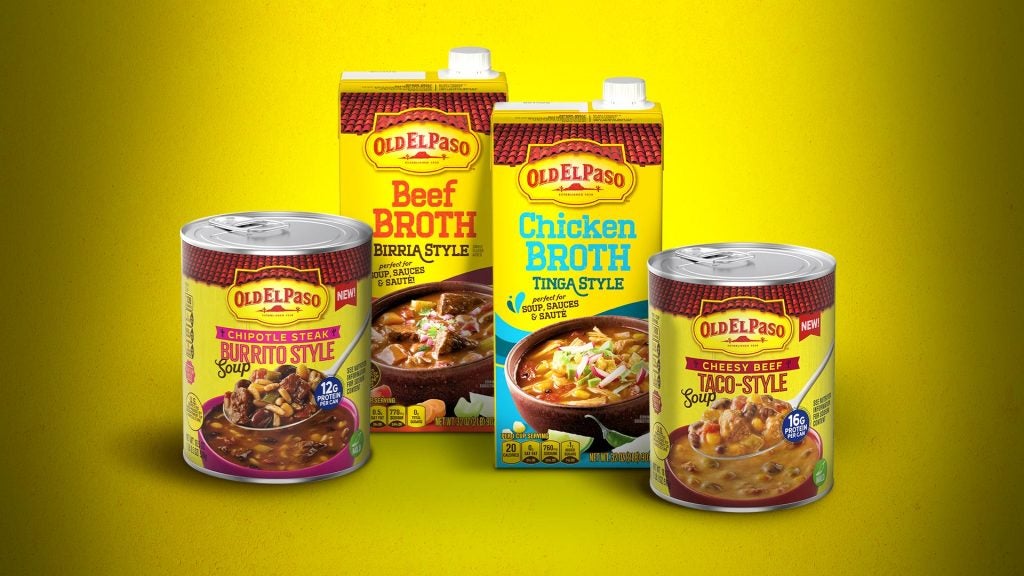
Flavour boosters stretch the idea beyond the kit box. The Old El Paso Birria Style Beef Broth and Chicken Tinga Style Broth that General Mills has launched in the US bring Tex-Mex depth to ramen, pasta, and stews in a single pour. “Our new versatile broths make it easy to bring bold Tex-Mex flavour to busy weeknight dinners, a lunch staple or as the starting point for something completely new”, says Ben Bienert, business unit director for Old El Paso at General Mills.
In 2027, expect the format to stretch further, with sophisticated finishing kits built around specific appliances such as the air fryer, and more global cuisines arriving in component form.
2. Pin-drop flavour
In 2027, consumers will want flavours with a precise address. A jar labelled simply "Caribbean" or "Asian" will lose ground to a dish named with specificity – think a smaller region or a named chef.
Three groups of shoppers will drive momentum here. As travel budgets tighten, the kitchen will increasingly become the most affordable passport for curious home cooks.
A named place or a named founder will reassure shoppers a brand has impeccable taste, curation and procurement
Meanwhile, younger shoppers, raised on a diet of food content that names meals and ingredients precisely, will see vague regional labels as inauthentic. And diaspora communities will crave the distinct flavours of home.
Beyond this, provenance will increasingly be seen as shorthand for quality. A named place or a named founder will reassure shoppers that a brand has impeccable taste, curation and procurement.
Grace Foods UK, the British arm of Jamaican food group GraceKennedy, shows what exactness looks like in practice. Rather than launching another jerk product, its Dunn’s River brand has bottled Jamaican Green Seasoning, the herb-and-pepper paste Caribbean home cooks use as an everyday base for meat, fish, and stews. Built on scallions, thyme, garlic, onion and mild Scotch peppers – and without the cilantro or shadon beni common in Trinidadian blends – it is labelled and formulated as distinctly Jamaican.
Meanwhile, Perelló, the Spanish Gordal olive brand owned by Spanish food specialist Brindisa, has moved into cooking bases with five store-cupboard products. The range includes chopped pera tomatoes grown in Andalucía and processed within 24 hours of harvest, a classic Tomate Frito, a Sofrito de Pimiento made with piquillo peppers and garlic, a brava-style Salsa Picante and flame-roasted Lamuyo Peppers. Instead of one finished sauce, the range gives home cooks the building blocks of everyday Spanish cooking, with UK listings at Ocado and Booths from this month.
Korean food will remain strong within this trend. In the US, chef and Food Network personality Esther Choi has launched Sessy, with three condiment staples: sesame oil, soy sauce, and gochujang. All three are made in Korea, and a retail rollout is planned for 2027.
In Ireland, food brand Chimac shows how far Korean flavours now travel. Its September launches included a Jalapéño Honey Sauce, an Espresso BBQ Sauce and a gochujang-based Buffalo Sauce.
Next year, expect brands to go narrower still, with single-region sauces and bases as well as more founder-led launches from diaspora entrepreneurs.
3. Prepper pantry upgrade
With governments around the world advising consumers to stock up on extra pantry staples, 2027 will see heightened interest in diverse and luxury versions of these goods. In this way, canned, dried, and shelf-stable products will continue to shed their mundane image and be repositioned as complete, flavourful meals in their own right.
This will manifest as a softer version of the prepper mentality: less doomsday bunker, more quiet self-reliance. Cost pressure will reinforce the habit because long shelf life means less waste and fewer emergency top-up shops.
Here we will see more canned food move from ingredient to finished dish – a phenomenon already starting to play out on-shelf.
Princes Group has launched four Asian-inspired canned curries in the UK. In the US, Del Monte has built the seasoning into the can with Ranch Flavored Whole Kernel Corn and Zesty Italian Inspired Vinaigrette Cut Green Beans, so a side dish needs nothing more than heating.
In 2027, packaging will also do more heavy lifting. In Mexico, food company Terranoble has replaced conventional cans with Tetra Recart cartons for a vegetable range that includes sweetcorn, peas, chickpeas and mixed vegetables, with no added preservatives or salt.
Premium tins round out the trend. New York-based Row 7 Seed Company, the seed breeding venture founded by chef Dan Barber along with seed breeder Michael Mazourek and seed company founder Matthew Goldfarb, has moved into the pantry with Tinned Vegetables.
The organic range features three of its own flavour-first varieties: Badger Flame Beets with Extra Virgin Olive Oil and White Balsamic Vinegar, Sweet Prince Tomatoes with Extra Virgin Olive Oil and Red Wine Vinegar, and Sweet Garleek with White Balsamic Vinegar and Dijon Mustard. Following Row 7’s lead, more veg-loaded long-life products with a premium edge could hit the shelf.
4. Off-script comfort food
When budgets are stretched, small, affordable treats take on outsized importance, a pattern often called the “little treat” economy. In 2027, consumers will look for treats that feel safe and surprising at the same time.
A nostalgic format will lower the risk of trying something new, while an unexpected flavour will add a jolt of excitement and online shareability. Further, limited editions will continue to add urgency and reward curiosity. As a result, brands will increasingly turn their heritage products into platforms for bold, sometimes outrageous, flavour twists, seasonal drops and trend-led collaborations.
Products have already hit the shelf. Kraft Heinz shows the approach at its most playful. In November, the company released limited-edition Chili Crisp and Cinnamon Roll varieties for its Kraft Mac & Cheese, borrowing from the global condiment aisle and the bakery counter.
Meanwhile, New York restaurant brand Carbone Fine Food, the at-home line of chefs Mario Carbone and Rich Torrisi, applies a similar remix in reverse. Its first product beyond pasta sauce takes the Asian chili-crisp format and gives it an Italian accent, with Calabrian Chili Crisp and Aglio e Peperoncino, both made with 100% olive oil.
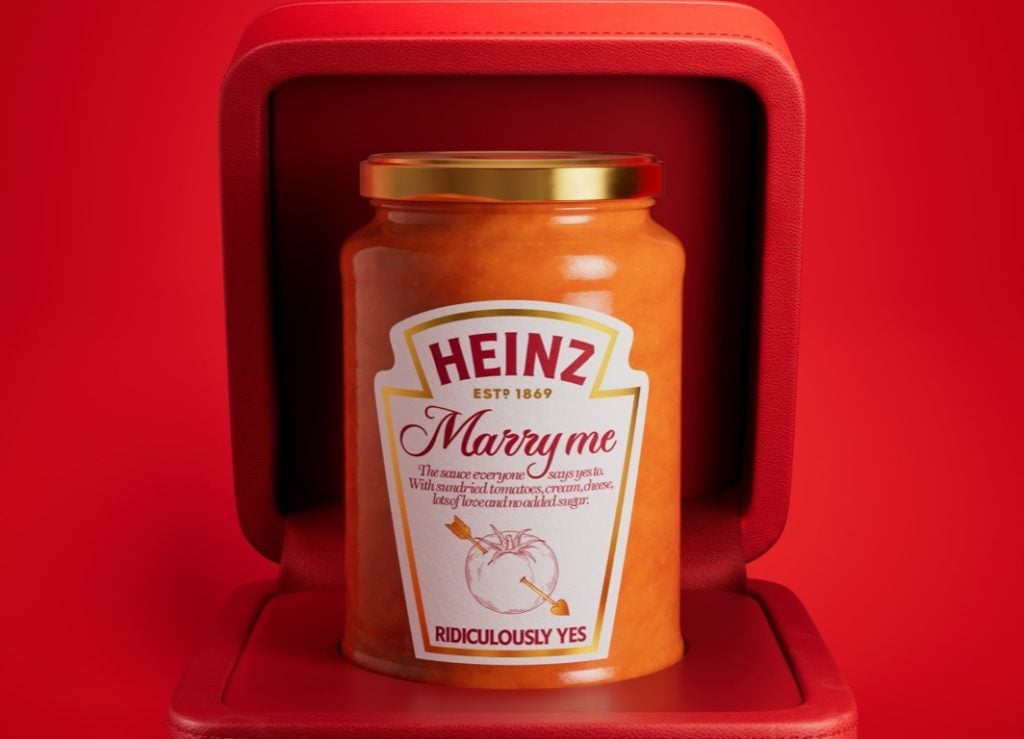
Extending this idea, social media is increasingly a product-development pipeline – as seen in the “Marry Me Chicken” recipe trend, which moved from the feed to the shelf in the UK through Heinz’s Marry Me Pasta Sauce, launched alongside singles-only pasta-making classes with dating app Breeze. Premier Foods followed with a Marry Me Chicken Pasta Bake Sauce under its pasta-bake brand Homepride, a sign one viral dish can support several brands.
As the gap between a recipe going viral and a product reaching shelves narrows, 2027 will reward brands that can move at the speed of the feed
Even familiar formats and functional brands are letting loose. US-based food brand Kodiak, known for protein-packed, whole-grain breakfast and snack products, has gone full sweet shop for the festive season with Peppermint White Chocolate Muffin Mix and Hot Cocoa with Candy Cane Muffin Cups. The Hot Cocoa cup brings together cocoa, marshmallows, and peppermint candy, while the muffin mix still delivers 12g of protein per serving.
And, in the UK, Grace Foods UK has given boxed mac and cheese a Caribbean twist with Jerk BBQ and Spicy Chilli Macaroni & Cheese. With a medium heat level, the Jerk BBQ variety offers an accessible introduction to jerk flavours for those looking to bring something different to everyday meals.
As the gap between a recipe going viral and a product reaching shelves narrows, 2027 will reward brands that can move at the speed of the feed.
A final thought for 2027
Across all four trends, one thing holds: consumers will be careful with money but unwilling to settle. In 2027, shoppers will expect a kit to make them feel like a chef, a jar to taste of a real place, a tin to be worth keeping and a familiar box to surprise them.
The brands that deliver on more than one of those promises at once will earn their place in the kitchen for the longer-term.
Mandy Saven is content director at trends intelligence company Stylus. She specialises in the food, drink, travel, hospitality and leisure sectors.