
Soft drinks, breakfast cereals and yogurts would be the products worst affected if the UK government updates its system for identifying less healthy food, a study has suggested.
The UK's nutrient profiling model (NPM), launched more than 20 years ago, underpins which food and drinks are classed as high in saturated fat, sugar or salt, or HFSS.
Ofcom, the UK’s broadcast regulator, uses the NPM to enforce rules that curb the advertising of HFSS products.
A study by researchers at the University of Oxford, has evaluated the impact of the Government's plan to implement changes to the NPM, updates that were put forward in 2018. The Government published those plans in January.
Under the revised model, 72% of the 15,514 supermarket products analysed were classified as failing, up from 58% under the current 2004/5 model.
Of the 2,498 products that changed classification, 93% moved from a pass to a fail.
The analysis covered products sold by Tesco, Sainsbury’s, Asda, Ocado and Marks and Spencer. It did not include discounters or food sold out of home. The researchers said products were not weighted by sales or market share.
The sharpest drop in pass rates occurred in soft drinks, plunging from 66.2% under the current model to 5.9% under the 2018 changes to the NPM.
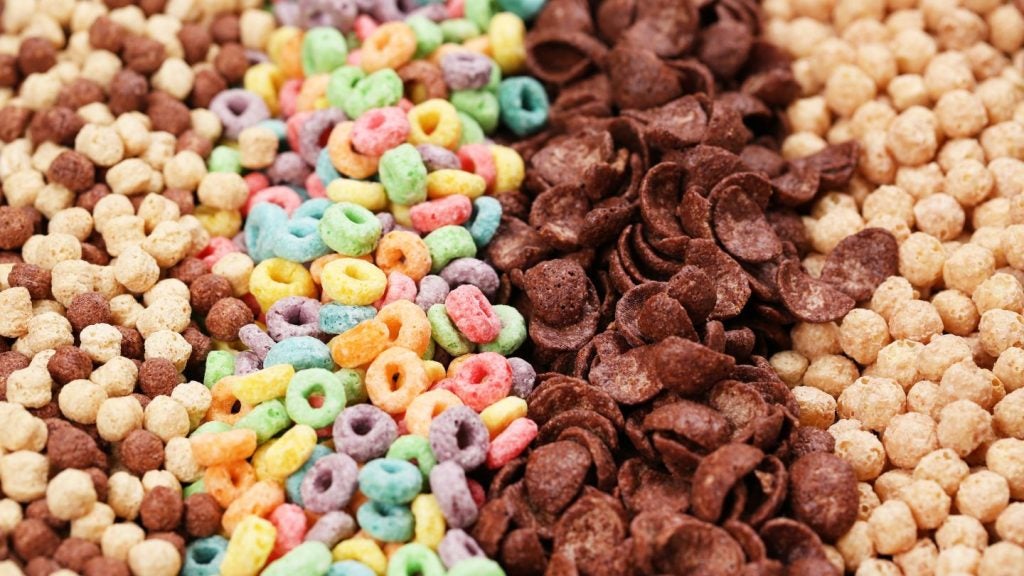
Breakfast cereals saw pass rates fall from 79% to 39%, while yogurts dropped from 77.8% to 36%. The proportion of pizzas passing fell from 50.7% to 28.9%.
Confectionery, cakes and processed potatoes were relatively unchanged.
“Replacing total sugars with free sugars, together with stricter scoring thresholds, meant many of the products scored more points for sugar under the new model,” the study said.
The updated model also increases the maximum points available for fibre, which partially offsets the impact for categories including breakfast cereals and savoury snacks.
Funded by the National Institute for Health and Care Research, the study comes after the UK government launched a consultation in March on applying the updated model.
When the updated NPM was published, trade body The Food and Drink Federation expressed concern the revisions would penalise reformulated products.
Campaign groups, however, welcomed the update.