

AWRI and Flavourtech: Supporting the NOLO Wine Sector
The global wine industry is adapting to a notable shift in consumer preferences, with rising demand for no- and low-alcohol (NOLO) alternatives. While this market segment presents new opportunities, producing NOLO wine that maintains the sensory complexity of traditional wine remains a technical hurdle. Removing ethanol frequently impacts the volatile top-note aromas and mouthfeel characteristics that define a wine’s varietal identity.
In 2023, the Australian Wine Research Institute (AWRI), Adelaide University, dealcoholisation technology manufacturer Flavourtech and nine other industry partners were granted government funding from the Cooperative Research Centres Projects (CRC-P) program to further investigate NOLO wine products. With the assistance of this funding, the Advancement of Australian Lifestyle Wines Project was formed with the aim of improving the quality, competitiveness and sustainability of Australian NOLO wines.
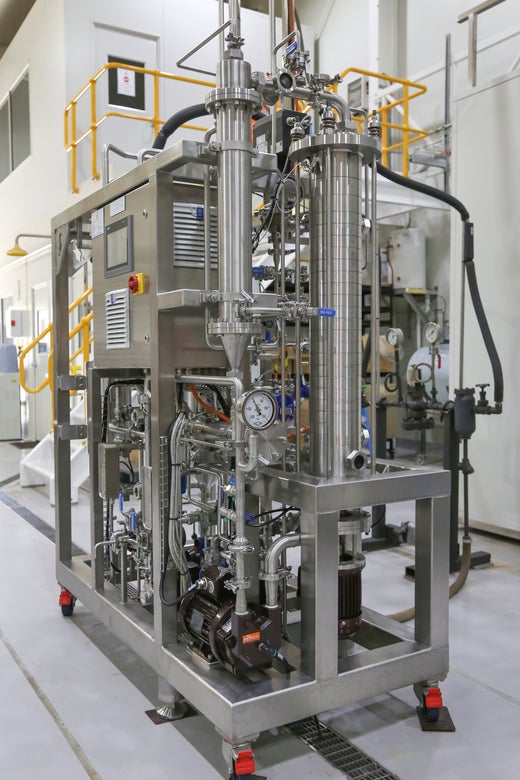
As part of this project, and to address the challenges of producing high-quality NOLO wine, a specialised trial-scale research facility was established at the university’s Waite Campus. The facility allows both researchers and commercial wine producers to conduct trials and evaluate processing methods on small volumes of wine (as low as 150l), significantly lowering the economic barriers to entering the NOLO wine market.
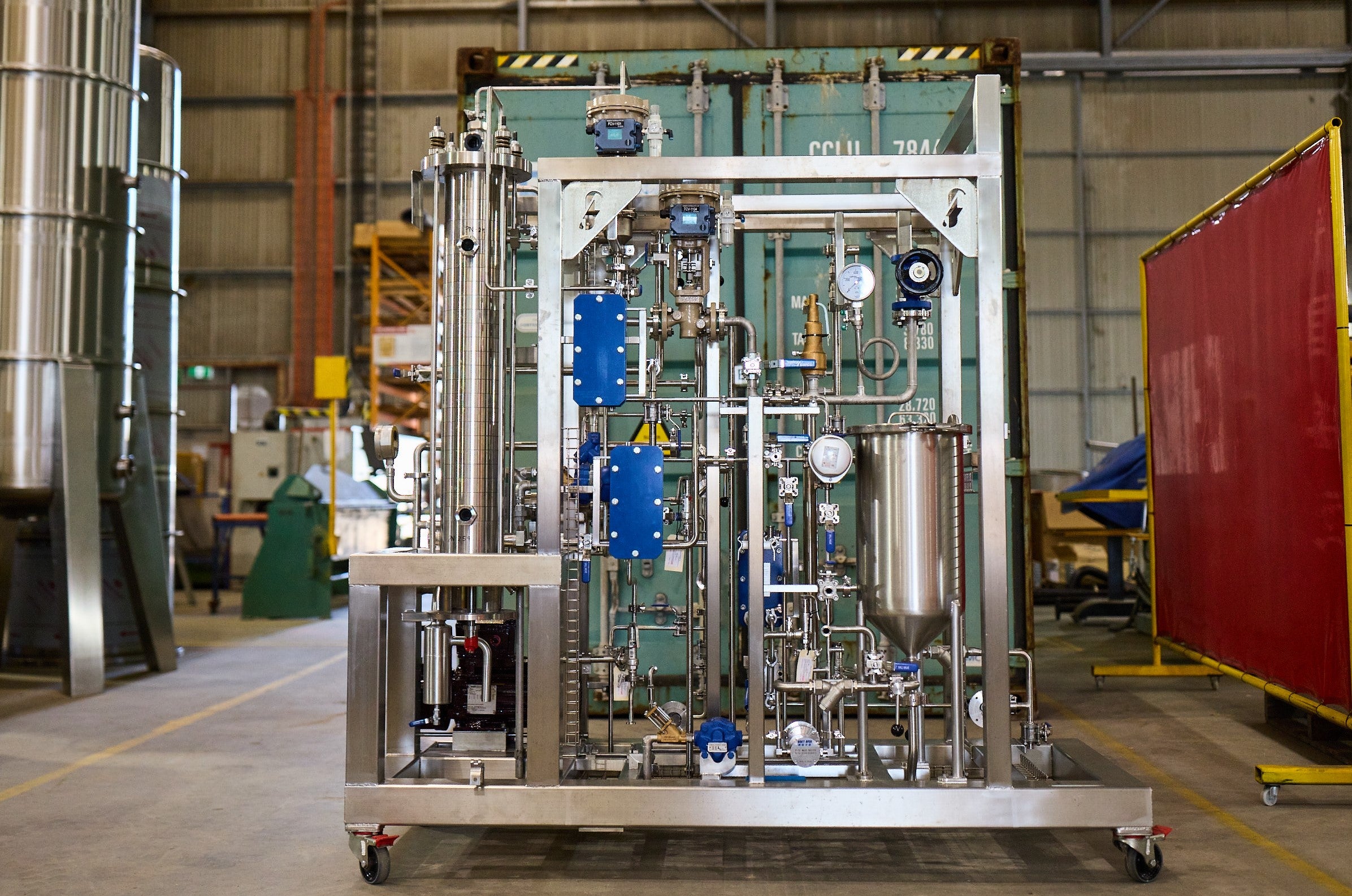
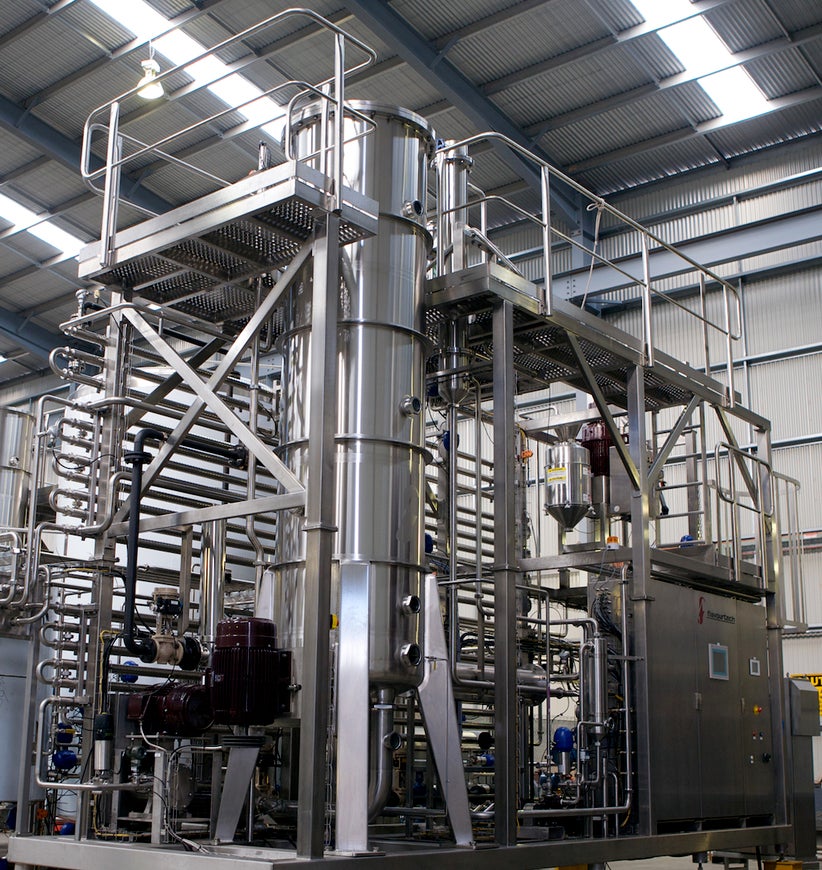
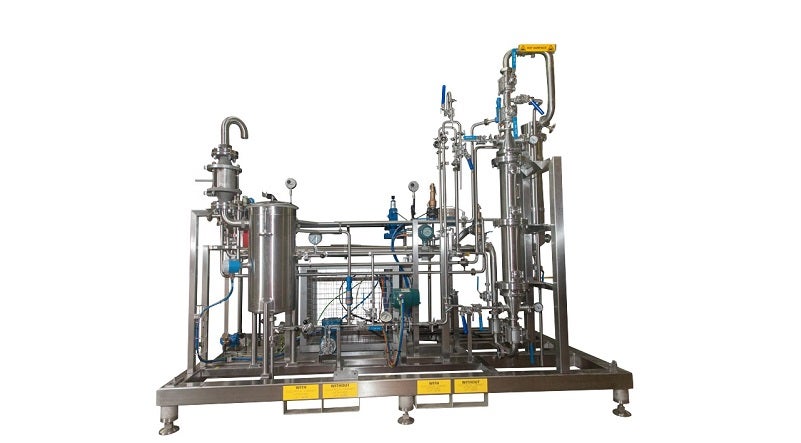
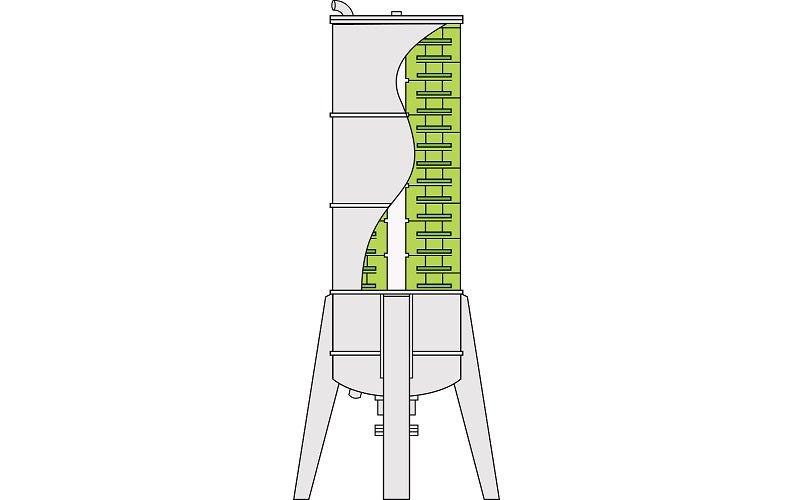
When equipping the hub, selecting an appropriate dealcoholisation method was critical to ensuring that research outcomes reflected the highest possible product quality. To achieve this, the AWRI installed Flavourtech’s renowned Spinning Cone Column (SCC) technology. The small-scale SCC100 model was also equipped with an on-skid Resin Adsorption Column (RAC). This set-up was chosen due to its ability to minimise thermal stress on the wine matrix and offer winemakers a clearer understanding of how to achieve precise dealcoholisation without compromising the structural integrity of the original wine.
“Consumers looking for NOLO wine still want a wine experience that delivers aroma, flavour and mouthfeel. Alcohol plays an important role in that. By studying how these sensory properties change throughout the dealcoholisation process and identifying techniques that minimise sensory losses, we can produce NOLO wines that more closely resemble their full-strength counterparts,” says Dr Wes Pearson, Senior Research Scientist at AWRI.
By integrating specialised processing equipment into its research infrastructure, the AWRI is providing the wine sector with data-driven insights into NOLO wine production. This collaboration between the independent research of AWRI and specialised engineering expertise of Flavourtech offers winemakers a clearer understanding of how to produce the highest-quality NOLO wines for an ever-growing market.
To learn more about Flavourtech’s SCC or RAC technologies, visit www.flavourtech.com.